12 Leafy Green Vegetables to Help Lower Blood Pressure

12-leafy-greens-lower-blood-pressure

Your Leafy Green Defense Against Hypertension

High blood pressure silently threatens millions of lives worldwide, but nature has provided a delicious and powerful solution. Leafy green vegetables emerge as nutritional heroes, offering a natural approach to cardiovascular health. By strategically incorporating these 12 remarkable greens into your diet, you can take proactive steps toward managing and potentially reducing blood pressure.

The Nutritional Powerhouses: How Leafy Greens Work

Each leafy green vegetable contains a unique combination of nutrients that directly impact blood pressure regulation. Potassium, nitrates, and essential minerals work synergistically to relax blood vessels, counteract sodium’s negative effects, and promote optimal cardiovascular function. From spinach’s nitric oxide-boosting properties to kale’s comprehensive mineral profile, these vegetables are more than just side dishes—they’re medical allies.

12 Leafy Green Vegetables: Your Blood Pressure Management Toolkit

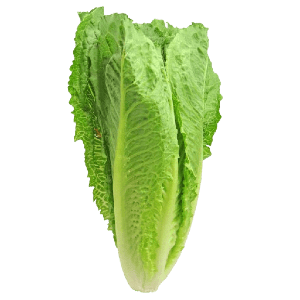
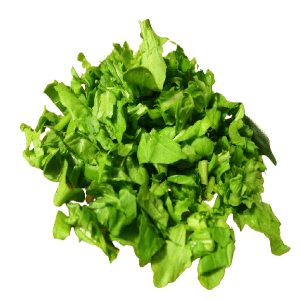
Romaine Lettuce

Packed with high potassium levels, romaine lettuce is your ally against high blood pressure, championing heart health. Its antioxidants and phytonutrients actively combat oxidative stress, making it a vital addition to your diet. Embrace romaine lettuce for a proactive approach to regulating your blood pressure and enhancing cardiovascular well-being (Romaine Lettuce: Nutritional Information and Health Benefits, 2019).

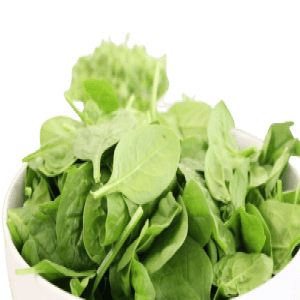
Spinach

Relieve your high blood pressure naturally with spinach. Packed with potassium, it counteracts sodium’s harmful effects, while abundant nitrates transform into nitric oxide, widening blood vessels for improved circulation. Imagine the benefits on your heart health and take action by adding spinach to your diet today (Kopp, 2024).

Kale

Kale consumption may contribute to the regulation of blood pressure. Packed with potassium, magnesium, and vitamin C, kale effectively relaxes blood vessels and enhances circulation. Plus, its dietary nitrates convert to nitric oxide, promoting dilation and reducing pressure. A diet rich in kale can be a natural and powerful ally in promoting cardiovascular well-being (Health Benefits of Kale, n.d.).

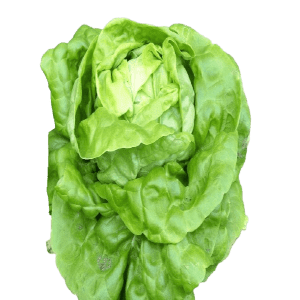
Iceberg Lettuce

Though iceberg lettuce is mostly recognized for its low-calorie and high-water content, it’s not a powerhouse of nutrients that directly lower blood pressure. Nevertheless, incorporating it into your diet can significantly contribute to overall blood pressure management, offering a hydrating and refreshing base for meals that support a heart-healthy lifestyle (Shereen Lehman, MS, 2005).

Cabbage

Discover the power of cabbage in managing high blood pressure. Loaded with anthocyanins, this antioxidant-packed veggie has been linked to significant blood pressure reduction. Its rich nitrate content helps relax and dilate blood vessels, while its abundance of potassium assists in blood pressure regulation (Cabbage and the Benefits of This Overlooked Superfood | Brown University Health, 2023).

cabbage

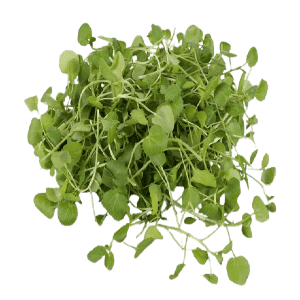
Watercress

Boost your cardiovascular health with watercress, abundant in dietary nitrates that convert to nitric oxide, dilating blood vessels and lowering blood pressure. Packed with antioxidants such as beta-carotene, lutein, and zeaxanthin, watercress becomes an essential ally in maintaining a healthy heart (Groves, 2018).

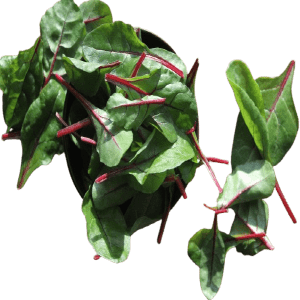
Swiss Chard

Swiss chard is rich in nitrates, magnesium, and potassium, which are beneficial for reducing blood pressure. Nitrates help by relaxing blood vessels, while magnesium and potassium play a crucial role in regulating blood pressure as they affect heart muscle function and nerve signaling, contributing to overall cardiovascular health and stability (Swiss Chard: Possible Health Benefits, Uses, and Risks, 2017).

swiss chard

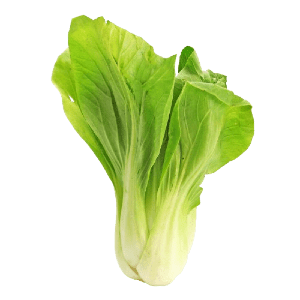
Bok Choy

Consuming bok choy, which is rich in potassium, magnesium, and calcium, can contribute to maintaining a healthy heart and stable blood pressure. It also contains folate and vitamin B6, which may prevent homocysteine buildup, a risk factor for cardiovascular disease. Thus, incorporating bok choy in your diet can contribute to overall cardiovascular wellness (Stephenson-Laws, 2022).

bokchoy

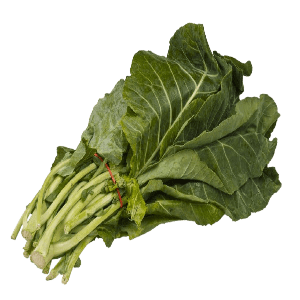
Collard Greens

Rich in nitrates and potassium, collard greens contribute to lowering blood pressure. Nitrates convert into nitric oxide, a strong vasodilator, relaxing blood vessels and enhancing blood flow, while potassium mitigates sodium’s impact, a high blood pressure risk factor. Furthermore, collard greens are abundant in antioxidants and vitamins, especially vitamin K, supporting cardiovascular health. This makes collard greens an excellent addition to diets aimed at maintaining heart health (7 Proven Health Benefits of Collard Greens, according to Nutritionists, 2020).

collard greens

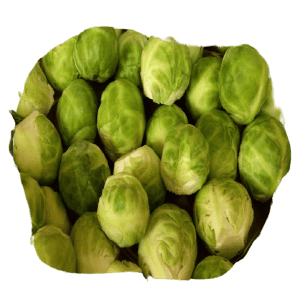
Brussels Sprouts

For a health boost and potential blood pressure support, consider Brussels sprouts; these cruciferous vegetables are a good source of potassium, which helps balance sodium. Additionally, they contain glucosinolates and nitrates, which are believed to contribute to regulating blood pressure, making them a valuable addition to a heart-healthy diet (Xu & Marques, 2022).

brussels sprouts

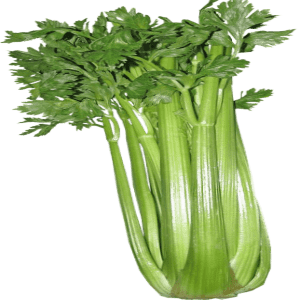
Celery

Celery contains phthalides, like 3-n-butylphthalide (NBP), which can reduce blood pressure by relaxing vessel walls and enhancing blood flow, possibly acting as a diuretic. Studies, including research on hypertensive rats, demonstrate NBP’s effectiveness. Additionally, apigenin in celery may also help lower blood pressure, contributing to its potential cardiovascular benefits (Sondos Alobaidi & Saleh, 2024).

celery stalk

Arugula

Arugula is effective in lowering blood pressure due to its nitrates and potassium, which promote vasodilation and ease blood flow, reducing arterial pressure. Additionally, it provides vitamin A, vitamin C, and antioxidants that support overall health and may aid in blood pressure management. This combination makes arugula a nutritious choice for cardiovascular health (11 Arugula Benefits for Your Health (with Nutrition & Recipes), 2025).

Strategic Implementation: Maximizing Green Benefits

Incorporating these leafy greens doesn’t require a complete diet overhaul. Start by adding variety to salads, smoothies, and side dishes. Aim for diverse preparation methods—raw, steamed, or lightly sautéed—to preserve nutritional integrity.

Your Path to Heart-Healthy Living

By embracing these 12 leafy green vegetables, you’re not just eating—you’re investing in your cardiovascular health. Each bite represents a proactive step toward managing blood pressure naturally, deliciously, and sustainably.

References

7 Proven Health Benefits of Collard Greens, According to Nutritionists. (2020, September 30). Prevention. https://www.prevention.com/food-nutrition/a34212046/collard-greens-nutrition/

11 Arugula Benefits for Your Health (with Nutrition & Recipes). (2025, February 26). Tua Saúde. https://www.tuasaude.com/en/arugula-benefits/

Cabbage and the Benefits of this Overlooked Superfood | Brown University Health. (2023). Brown University Health. https://www.brownhealth.org/be-well/cabbage-and-benefits-overlooked-superfood

Groves, M. (2018, August 6). 10 Impressive Health Benefits of Watercress. Healthline. https://www.healthline.com/nutrition/watercress-benefits

Health Benefits of Kale. (n.d.). WebMD. https://www.webmd.com/diet/health-benefits-kale

Kopp, K. (2024, February 16). 7 Reasons You Should Eat More Spinach. Cleveland Clinic. https://health.clevelandclinic.org/benefits-of-spinach

Romaine lettuce: Nutritional information and health benefits. (2019, October 22). Www.medicalnewstoday.com. https://www.medicalnewstoday.com/articles/319725#nutritional-information

Shereen Lehman, MS. (2005, November 27). Making the Most of Iceberg Lettuce. Verywell Fit; Verywell Fit. https://www.verywellfit.com/does-iceberg-lettuce-have-any-nutritional-value-2506266

Sondos Alobaidi, & Saleh, E. (2024). Antihypertensive Property of Celery: A Narrative Review on Current Knowledge. International Journal of Food Science, 2024, 1–8. https://doi.org/10.1155/2024/9792556

Stephenson-Laws, J. (2022, June 27). 5 Reasons You May Want to Make Bok Choy Your Go-To Veggie. Phlabs.com; phlabs. https://www.phlabs.com/5-reasons-you-may-want-to-make-bok-choy-your-go-to-veggie

Swiss chard: Possible health benefits, uses, and risks. (2017, May 19). Www.medicalnewstoday.com. https://www.medicalnewstoday.com/articles/284103

Xu, C., & Marques, F. Z. (2022). How Dietary Fibre, Acting via the Gut Microbiome, Lowers Blood Pressure. Current Hypertension Reports. https://doi.org/10.1007/s11906-022-01216-2