
High Blood Pressure
Information and Tips
Discover many of the factors that arrive at getting high blood pressure and find out more about the possible risks involved…
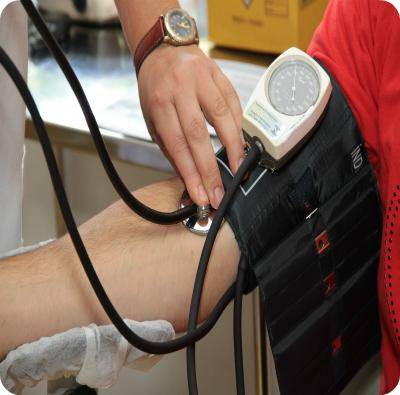
Possibilities of Treating Your High Blood Pressure
Don’t get depressed or disheartened if you’re currently fighting high blood pressure. You’re definitely not alone or even the only one being concerned. In fact, are you aware that more than seventy million people in the U.S. that are age 20 and above have symptoms of high blood pressure? What’s even more alarming is the fact that more than twenty five percent of these individuals have no clue they have it or they simply ignore the signs and symptoms altogether.
Noticing Your Blood Pressure
Don't Wait for Hypertension: Monitor Your Blood Pressure Now
Many people delay monitoring their blood pressure until they experience symptoms or reach a certain age. However, proactive blood pressure management is crucial for long-term health. It’s never too early to start.
A family history of hypertension significantly increases your risk. If you have such a history, begin monitoring your blood pressure immediately. Taking charge of your cardiovascular health shouldn’t wait for a doctor’s diagnosis.
Being responsible for your blood pressure today can significantly reduce your risk of stroke, heart disease, and kidney disease later in life. Preventative measures are far more effective than reactive treatment. Start monitoring your blood pressure now and take steps towards a healthier future.
Pay Attention to Your Health
Consume healthy foods
Aging brings about many changes, and a decrease in physical activity is a common one. But maintaining an active lifestyle is crucial for overall well-being, especially when it comes to managing blood pressure. Don’t let age slow you down! Even a modest commitment to exercise can make a significant difference.
Simple Lifestyle Changes for a Healthier Heart
High blood pressure (hypertension) is a serious health concern, but making simple lifestyle changes can significantly reduce your risk and improve your overall well-being.
Dietary Adjustments for a Healthier Heart
Limit Salt and Fat: Excessive sodium intake elevates blood pressure, while a diet high in unhealthy fats contributes to weight gain, a known risk factor for hypertension. Choose fresher options over many of the highly processed foods, and reduce those items that are higher in salt and fat.
Embrace Fruits and Vegetables: Increase your consumption of fruits and vegetables. These nutrient-rich foods are low in calories and sodium, and packed with essential vitamins and minerals that support cardiovascular health. You might be surprised at how many delicious options you discover!
Stress Management Techniques
Stress is a major contributor to hypertension. Finding healthy ways to manage stress is crucial for maintaining a healthy blood pressure.
Unwind with Your Favorite Hobby: Dedicate time to activities you enjoy and find relaxing. Whether it’s reading, gardening, painting, or listening to music, engaging in stress-relieving hobbies can significantly lower your stress levels and, in turn, your blood pressure. Make this a regular part of your routine, especially when feeling overwhelmed.
By incorporating these simple yet effective strategies into your daily life, you can take control of your blood pressure and pave the way for a healthier, happier you. Your doctor can provide tailored advice and monitor your health journey, helping you stay on track and achieve the best possible outcomes.
Know the Medications You Are Taking
Many medications can affect your blood pressure, sometimes without noticeable symptoms. If you take antidepressants, cold medications, birth control pills, steroids, nasal decongestants, or any other prescription or over-the-counter drugs, discuss their potential impact on your blood pressure with your doctor.
Family History and Risk Factors
Understanding your family medical history is crucial. A family history of high blood pressure significantly increases your risk. If hypertension runs in your family, proactive monitoring and lifestyle changes can help prevent or delay the onset of the condition. Your family’s medical history offers valuable insights into your potential health risks, but it’s not a predetermined sentence.
Lifestyle Changes and Medication
For many, lifestyle modifications—including a balanced diet, regular exercise, and stress management—are effective in controlling blood pressure. However, some individuals may require medication in addition to lifestyle changes. Your doctor can assess your individual needs and recommend the most appropriate course of action, potentially including prescription medication. If medication is prescribed, it’s crucial to inform your doctor about all other medications you are currently taking to avoid potential interactions.
The Importance of Proactive Healthcare
Don’t wait for a problem to develop before seeking medical attention. Regular check-ups with your physician are essential for monitoring your blood pressure and overall health. Open communication with your doctor is key to developing a personalized management plan. They can provide guidance on lifestyle adjustments, medication options, and ongoing monitoring strategies. Remember, you are not alone in managing your blood pressure; your doctor and healthcare team are there to support you.