Begin the Best Exercises to Reduce High Blood Pressure

best-exercises-reduce-high-blood-pressure

The best exercises to reduce high blood pressure, which is also known as hypertension, has emerged as a silent epidemic in the contemporary world, impacting millions of individuals globally. While pharmaceutical interventions are essential for managing this condition, adopting a healthy lifestyle is equally crucial.

Among these lifestyle changes, incorporating regular exercises to reduce high blood pressure stands out as a powerful method for improving cardiovascular health and managing high blood pressure.

Hypertension is a chronic condition defined by the excessive force exerted against the arterial walls during the heart’s pumping cycle. If left unaddressed, it can heighten the risk of severe health complications, including heart disease and stroke. However, engaging in regular physical activity can significantly lower blood pressure and mitigate the risk of developing cardiovascular diseases.

This article aims to explore the best exercises to reduce high blood pressure, providing actionable insights for individuals eager to enhance their cardiovascular wellbeing.

Aerobic Exercises

people riding bicycles on a road

Aerobic exercises form the cornerstone of cardiovascular health. Activities such as walking, jogging, cycling, and swimming are not only enjoyable but also effective in raising the heart rate and boosting overall cardiovascular fitness.

The recommendation is to engage in at least 30 minutes of moderate-intensity aerobic exercise on most days of the week, ideally five days weekly. These exercises help the heart pump blood more efficiently and lower tension in the blood vessels, making them fundamental for anyone looking to manage hypertension (Alpsoy, 2020).

Resistance Training

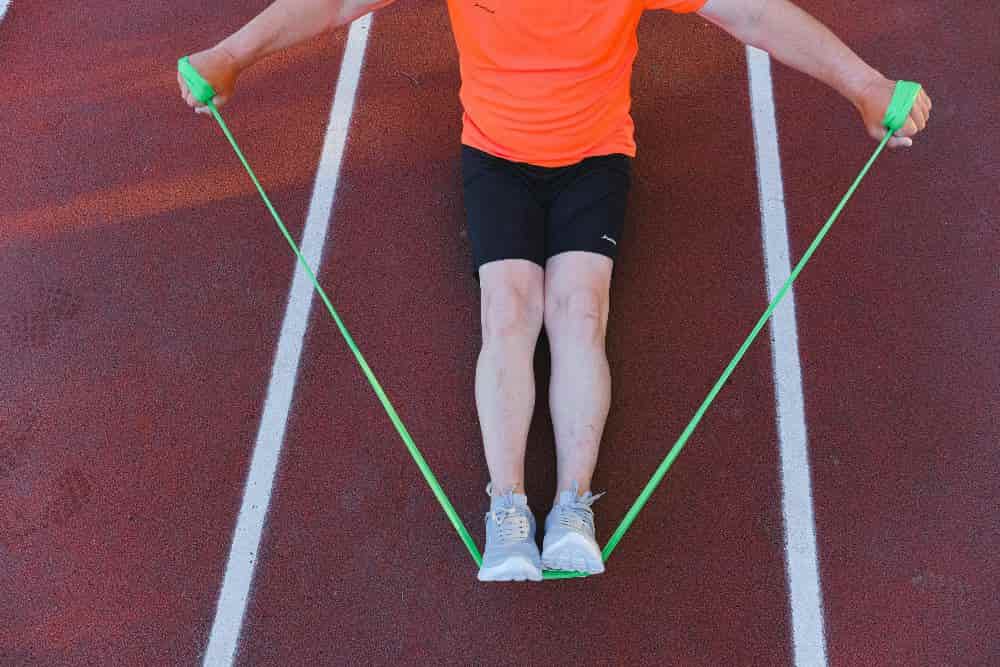
man using resistance bands

Another vital component of effective exercises to reduce high blood pressure is resistance training. This includes any exercise that involves lifting weights or utilizing resistance bands. Strength training serves to fortify the heart muscle and improve blood circulation.

It is advisable to integrate resistance training into your routine at least two days a week, ensuring that all major muscle groups are targeted. By enhancing muscle strength, resistance training can also contribute to better overall body composition, which is beneficial for heart health (Cornelissen et al., 2011).

Yoga and Tai Chi

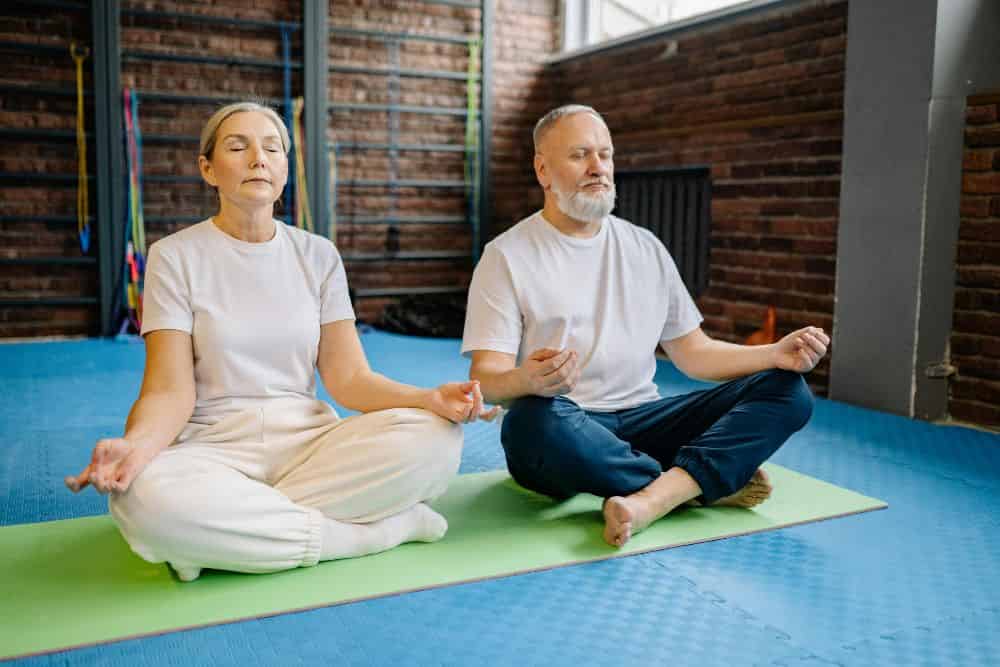
Practicing yoga and tai chi presents an excellent way to combine gentle movement with mental relaxation. These mind-body exercises promote deep breathing, mindfulness, and stress reduction – all of which are essential for managing high blood pressure.

Individuals are encouraged to practice yoga or tai chi for around 30 minutes, three times a week. This not only assists in lowering stress levels, which often exacerbate hypertension, but also improves overall heart health and physical flexibility (Joshi et al., 2024).

High-Intensity Interval Training (HIIT)

woman doing high intensity interval training

High-Intensity Interval Training (HIIT) is a dynamic form of exercise that involves alternating between short bursts of intense activity followed by brief recovery periods. Research indicates that HIIT can be particularly effective in lowering blood pressure and improving cardiovascular fitness.

Nevertheless, it’s vital to consult with a healthcare professional before embarking on a HIIT regimen, particularly for individuals with existing health concerns, to ensure safety and effectiveness (Tinsley, 2017).

Stretching

Incorporating stretching into your exercise routine can also yield benefits for blood pressure management. Consistent stretching not only increases flexibility, but it also fosters relaxation and enhances blood circulation.

It is recommended to integrate stretching exercises into your daily routine, either as part of your warm-up session preceding aerobic activities or as a standalone practice throughout the day (A New Way to Help Your Heart: Stretch!, n.d.).

Practice Deep Breathing

Deep breathing exercises or forms of meditation can play a significant role in reducing stress levels and alleviating tension in the body. Engaging in this practice may result in lower blood pressure levels.

Engaging in deep breathing exercises for a duration of 5-10 minutes daily can promote a sense of calm and help in managing hypertension more effectively (Corliss, 2023).

It is imperative to highlight the necessity of consulting with a healthcare professional before initiating any new exercise program, especially for individuals diagnosed with high blood pressure. A healthcare provider can assist in creating a tailored exercise plan that aligns with one’s specific health needs and conditions.

In conclusion, managing high blood pressure through regular exercise serves as a proactive approach to health. By integrating a variety of physical activities, including aerobic exercises, resistance training, yoga or tai chi, HIIT, stretching, and deep breathing, individuals can work towards lowering blood pressure levels, enhancing cardiovascular health, and significantly reducing the risk of cardiovascular diseases.

Embracing this multifaceted approach to exercise can be a transformative step toward achieving and maintaining optimal health. Thus, individuals are encouraged to take charge of their health today and start exercising for a healthier tomorrow.

References

Alpsoy, Ş. (2020). Exercise and Hypertension. Physical Exercise for Human Health, 1228(1), 153–167. https://doi.org/10.1007/978-981-15-1792-1_10

A New Way to Help Your Heart: Stretch! (n.d.). Cleveland HeartLab, Inc. https://www.clevelandheartlab.com/blog/a-new-way-to-help-your-heart-stretch/

Corliss, J. (2023, September 1). Breathing exercises to lower your blood pressure. Harvard Health. https://www.health.harvard.edu/heart-health/breathing-exercises-to-lower-your-blood-pressure

Cornelissen, V. A., Fagard, R. H., Coeckelberghs, E., & Vanhees, L. (2011). Impact of Resistance Training on Blood Pressure and Other Cardiovascular Risk Factors. Hypertension, 58(5), 950–958. https://doi.org/10.1161/hypertensionaha.111.177071

Joshi, A. M., Raveendran, A. V., & Arumugam, M. (2024). Therapeutic role of yoga in hypertension. World Journal of Methodology, 14(1), 90127. https://doi.org/10.5662/wjm.v14.i1.90127

Tinsley, G. (2017, June 2). 7 Benefits of High-Intensity Interval Training (HIIT). Healthline; Healthline Media. https://www.healthline.com/nutrition/benefits-of-hiit