Salt can cause fluid retention, increasing your blood pressure. But the good news is that decreasing sodium intake is a simple way to improve health.
Avoid high-sodium foods like canned soup and broth, packaged mixes, frozen dinners, salty deli meats and cheese. Eat more fresh produce, lean proteins and whole grains instead. Try flavoring dishes with herbs and spices instead of salt to add variety.
Reduce Your Salt Intake
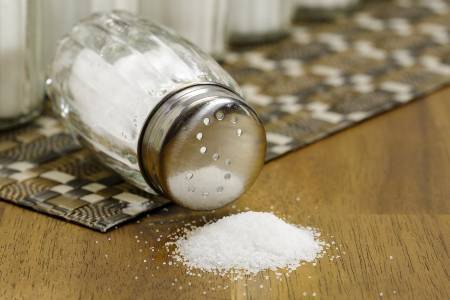
Diets high in salt increase your risk for high blood pressure and heart disease – both leading causes of death in America. But small changes to your diet can dramatically lower sodium consumption and improve health.
More than 75% of our sodium consumption comes from processed food sources, so it is wise to make it a habit of carefully reading labels and selecting low-sodium options. Look for products labeled “sodium-free,” with no additional salt added, “low sodium,” or reduced sodium options (containing less than 140 mg per serving) (American Heart Association, 2021).
In order to reduce sodium intake, it may require making sacrifices; however, this doesn’t have to mean depriving yourself of delicious meals and snacks that contain less sodium.
Use herbs, spices, garlic, onions or lemon juice instead of salt when seasoning food. Avoid canned soups, salted meats such as bacon and ham, processed cheese, as well as canned vegetables, canned fruit and potato chips along with pretzels, fried chicken or pizza.
When shopping for groceries, try selecting fresh or frozen fruits and vegetables, lean meats, whole grains and foods naturally low in sodium such as clams, salmon and tuna; unsalted nuts, seeds, beans, tea, coffee, as well as unsalted butter as these may all provide healthy options.
Search for low-sodium versions of condiments such as ketchup, salad dressing, hot sauce and barbecue sauce. Also avoid soy sauce, teriyaki sauce and other prepared sauces which tend to contain high levels of sodium.
If you frequently dine at restaurants, be sure to inquire with your server or manager about the sodium content of each menu item prior to placing your order. Request for sauces on the side; ask that foods are cooked using low-sodium methods of preparation; etc.
Cook at Home

Although sodium occurs naturally in some foods, most of its presence in American diet comes from processed food products. Cooking at home is one way to significantly decrease sodium intake; prepackaged items often have additional salt added during manufacturing which you can control by reading labels and selecting those with lower salt contents.
Not only can you reduce sodium intake by switching up flavor with herbs and spices, vinegar or onions instead of salt; you might even discover new and exciting tastes! Not only will this help lower sodium consumption but you may even discover delicious new tastes!
Apart from cutting back on sodium intake, other key strategies for controlling blood pressure include eating more potassium-rich fruits and vegetables as well as lean proteins like chicken, fish or beans. Limit alcohol to two drinks daily for men and one per day for women while eating foods low in fat content.
Steps taken to lower sodium consumption can significantly improve health and prevent high blood pressure, but you must be patient and make gradual changes. Aim to consume no more than 2,300 mg daily through small changes like swapping out processed deli and lunch meats for leaner cuts of meat; adding fresh or dried fruit to your morning cereal; or using herbs and spices instead of salt in flavoring recipes – but rest assured, your efforts will pay off!
Try Iodized Salt
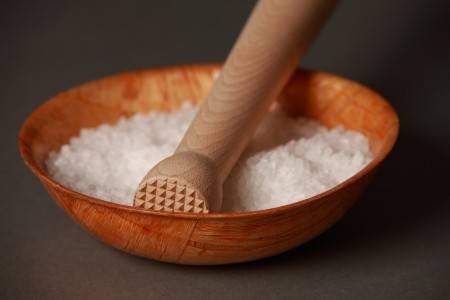
Salt is an essential nutrient, yet most Americans consume too much. Too much sodium can raise blood pressure, placing strain on organs such as your heart. Excess sodium also increases risk factors like high cholesterol and diabetes; to lower it safely and sustainably you can read labels or cook at home to lower sodium intake by following what health experts advise for optimal consumption and aim to consume less than what they suggest so as to both lower it and prevent it from ever developing!
Most Americans consume most of their sodium through processed and packaged food products. According to health experts, adults should limit their sodium consumption to 2,300 milligrams daily – equivalent to one teaspoon of table salt (What Doctors Wish Patients Knew about Sodium Consumption, 2022). Unfortunately, Americans eat close to 3,400 mg on an average day!
Attaining the low levels of sodium recommended by health experts can be challenging. You may need to restrict some of your favorite foods, while cutting back on processed and restaurant food consumption may prove challenging. Therefore, keeping a healthy weight may be critical in helping reduce sodium-rich food consumption.
Every food contains some sodium, which is necessary for proper functioning of the body. Our kidneys help regulate sodium intake through urine elimination; however, too much sodium in our diets could cause them to excrete too little sodium, leading to fluid retention and higher blood pressure.
American diets contain salt as the primary source of sodium, though there may also be naturally occurring sodium found in other sources like fruits and vegetables. Most dietary sodium comes from processed, packaged and fast foods; according to one review study, just reducing your daily sodium consumption can significantly lower blood pressure over time (Frisoli et al., 2012).
Select foods naturally low in sodium, like fresh vegetables and dairy products. Canned goods containing beans, potatoes and tomatoes tend to contain more sodium than their unprocessed counterparts. When purchasing packaged or fast foods that contain sodium, look for labeling with “low sodium” on it; also check ingredient lists to pick those low in saturated fat, trans fat and cholesterol content.
Maintain a Healthy Weight

Many adults consume far more sodium than is recommended and even modest changes can have profoundly beneficial results for heart health. Packaged and processed food products are among the primary sources of sodium consumption; thus it’s vitally important to read food labels, choose low sodium options, and cook meals at home whenever possible.
The FDA advises limiting daily sodium consumption to no more than 2,300 mg, however any reduction can help improve heart health and reduce your risk of high blood pressure.
Although table salt contains some sodium, most of our consumption comes from processed and packaged food products. A good way to start is by cutting back on these items and replacing them with whole, fresh foods like fruits and vegetables; when buying packaged goods look for those with lower sodium levels such as low-sodium soups, tomato sauces or condiments.
Most food packages display sodium on their nutrition labels. Salt content can typically be found among the first few ingredients and marked as red for high sodium levels, amber for medium amounts and green for low. Checking ingredient lists can also reveal hidden sources of salt such as dehydrated vegetables or meat products with added additives.
Herbs and spices can help you lower the sodium intake by flavoring your meals with herbs such as thyme, rosemary, garlic and lemon – for instance adding flavor to rice, scrambled eggs, popcorn or salad without increasing sodium consumption. You may also try marinating meats or fish before cooking to add even more flavor!
When selecting beverages with sodium levels under 400 milligrams and no added salt, opt for ones with unsalted nuts or seeds as snacks and stick with water and herbal tea instead of soda, caffeinated drinks or fruit juices.
If you have high blood pressure, aim to limit your sodium consumption to no more than 1,500 mg daily. Most can achieve this through following these simple tips; if any specific concerns about blood pressure and diet arise, be sure to speak to a medical provider or dietitian.
References
American Heart Association. (2021, November 1). How much sodium should I eat per day? Www.heart.org. https://www.heart.org/en/healthy-living/healthy-eating/eat-smart/sodium/how-much-sodium-should-i-eat-per-day
Frisoli, T. M., Schmieder, R. E., Grodzicki, T., & Messerli, F. H. (2012). Salt and Hypertension: Is Salt Dietary Reduction Worth the Effort? The American Journal of Medicine, 125(5), 433–439. https://doi.org/10.1016/j.amjmed.2011.10.023
What doctors wish patients knew about sodium consumption. (2022, January 28). American Medical Association. https://www.ama-assn.org/delivering-care/public-health/what-doctors-wish-patients-knew-about-sodium-consumption#:~:text=There