
Foods to Avoid: Diet for High Blood Pressure Patients

Managing high blood pressure involves significant lifestyle adjustments, and a critical one is diet modification. A strategic diet can effectively lower blood pressure levels and mitigate the risk of related health issues. Equally important is recognizing foods to avoid, crucial for maintaining health. This article highlights dietary choices that high blood pressure patients should limit or eliminate.
Hypertension, also known as high blood pressure, takes place when the pressure of blood against the walls of the arteries remains consistently elevated, which can lead to continued heart problems, stroke, and kidney problems. Diet significantly affects blood pressure management because certain foods can either worsen or improve hypertension.
Before examining specific foods to avoid, understanding dietary strategies for hypertension management is vital. Health professionals frequently recommend the DASH (Dietary Approaches to Stop Hypertension) diet due to its proven results. The emphasis is on minimizing sodium, saturated, and trans fats, as well as cholesterol, while providing abundant potassium, magnesium, calcium, and fiber (National Heart, Lung, and Blood Institute, 2025). Nevertheless, even within such a beneficial eating pattern, certain foods can undermine blood pressure control efforts.
When making dietary changes, it is beneficial to concentrate on decreasing the consumption of processed foods, as they typically have elevated amounts of sodium and unhealthy fats. Additionally, avoiding sugary beverages and excess alcohol can further support blood pressure management. Substituting these with whole grains, fresh fruits, vegetables, lean proteins, and low-fat dairy can greatly aid in keeping blood pressure levels within a healthy range. By making informed food choices, individuals with hypertension can take proactive steps in managing their condition effectively.
High-Sodium Foods

Processed and Packaged Foods
Sodium is a leading factor in increasing blood pressure and is prevalent in processed and packaged foods. Common high-sodium culprits include:
- Canned soups: Which often contain excessive sodium levels. It’s best to look for lower sodium products according to individual labels or simply cook from home.
- Processed meats: Such as bacon, sausage, ham, and deli meats are typically cured with significant sodium content. By decreasing their consumption and choosing fresh, lean meats instead, they can benefit.
- Frozen packaged dinners: A popular choice for their convenience, are usually high in sodium to enhance taste. Carefully scan labels and deciding on healthier low-sodium products is important.
- Snack foods: Like chips, pretzels, and crackers are also notorious for their high sodium content. Seeking unsalted or low-sodium alternatives is a healthier choice.
Being mindful of these sodium-rich foods and making conscious purchasing decisions can play a significant role in managing blood pressure effectively.
Eating Out or Take-Out Delivery

Managing high blood pressure can be challenging when dining out, as many restaurant dishes contain high levels of sodium due to salt and sodium-based additives. To maintain a healthier diet, it’s important to be cautious with certain types of food:
- Fast food items like burgers and fries are typically loaded with sodium. To reduce your intake, consider healthier menu options when eating at such establishments.
- Additionally, be aware of sauces and dressings. Condiments like soy sauce and salad dressings can greatly increase your meal’s sodium content, so use them sparingly or opt for low-sodium versions when available.
- Finally, your meal may not have a salty taste, but it could still have a higher sodium content. It’s beneficial to ask the restaurant you are visiting about the sodium content in different dishes and request that your meal be prepared with less salt to better manage your blood pressure.
Foods High in Saturated and Trans Fats

Fatty Meats
Saturated fats, commonly found in fatty meats, can increase LDL cholesterol levels, which in turn can raise blood pressure. To manage hypertension, it’s advisable to moderate your consumption of certain foods (American Heart Association, 2024).
- Red meat, such as beef, pork, and lamb, should be enjoyed sparingly; opt for lean cuts and trim any visible fat prior to cooking.
- The same applies to processed meats, which are particularly harmful due to their high sodium and saturated fat content, posing significant risks for those with high blood pressure (McCulloch, 2020).
- Additionally, poultry skin, found on chicken and turkey, contains substantial amounts of fat. By removing the skin before cooking, you decrease the overall fat content, making poultry a healthier choice for heart-conscious dining.
Full-Fat Dairy Products

Many familiar dairy products contain higher levels of saturated fats; it’s always best to limit them.
- Think about choosing skim or low-fat milk in place of whole milk.
- Select low-fat or reduced-sodium cheese over regular cheese.
- Choose something like olive oil which contains healthier fats instead of using butter.
The idea is to reduce your intake of saturated fats, which helps to improve your health.
Fried Foods

Fried foods, known for their high saturated and trans fat content, can adversely affect blood pressure and overall health. For better health management:
- Avoid French fries as they are rich in fat and sodium.
- Fried chicken is also problematic due to its breaded and fried nature, resulting in extra fat and calories.
- Also, doughnuts and pastries have high levels of trans fats and sugar, which are harmful to blood pressure (kiel, 2017).
By abstaining from these, you support healthier blood pressure levels.
Sugary Foods and Beverages
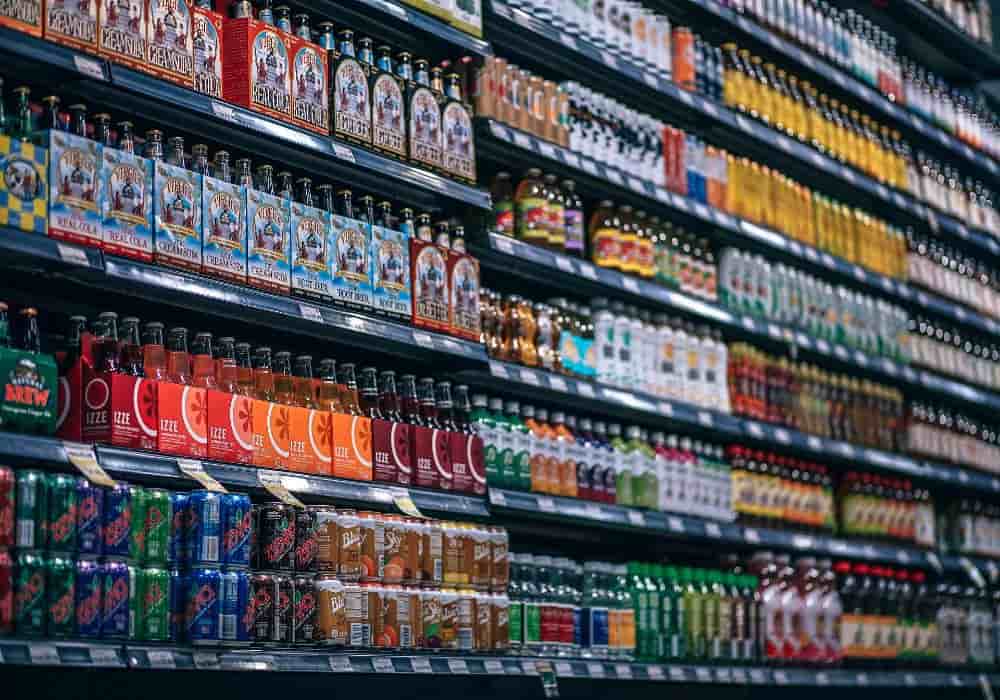
Added Sugars
Excessive sugar intake is linked to weight gain and elevated high blood pressure risk. To help control the added sugars, try limiting or even avoiding some of the things you eat or drink such as:
- Sugary drinks such as sodas, fruit juices, and sweetened teas, as they are high in added sugars and calories.
- Minimize candy and sweets, which provide little nutritional value while contributing to weight gain and increased blood pressure.
- Be mindful of processed foods; as many of them contain hidden sugars and additives. Always check food labels carefully and opt for products with lower sugar content to maintain a healthier lifestyle.
Alcohol
Excessive alcohol consumption is known to elevate blood pressure, posing health risks. For those managing high blood pressure, it’s advisable to adhere to recommended limits: women should consume no more than one drink daily, while men can have up to two. This moderation may help mitigate potential cardiovascular issues linked to high alcohol intake (Lopez-Jimenez, 2022).
Other Foods to Be Mindful Of
Caffeine
Caffeine may cause a short-term increase in blood pressure, particularly in individuals who are not used to consuming it. Individuals with high blood pressure should monitor their caffeine consumption to avoid potential spikes. Regular monitoring and moderation in intake are advised to manage its effects on blood pressure levels effectively (Kujawska et al., 2021).
Licorice
Black licorice contains glycyrrhizin, which can increase blood pressure. If you have hypertension, it is advisable to avoid consuming black licorice or any products with glycyrrhizin to manage your condition effectively and maintain healthy blood pressure levels (Tarun Sai Lomte, 2024).
Healthy Alternatives and Dietary Recommendations

To manage high blood pressure effectively, it is crucial not only to avoid certain foods but also to include those beneficial for lowering blood pressure. The DASH diet highlights the significance of incorporating:
- Fruits and Vegetables: These are packed with potassium, magnesium, and fiber.
- Whole Grains: Packed with fiber and sources for continued energy.
- Lean Proteins: Options include chicken, fish, beans, and lentils.
- Low-Fat Dairy: Low-fat cheese, low-fat milk, skim milk, and low-fat yogurt.
- Healthy Fats: Start including mixed nuts, various seeds, avocados, and even olive oil.
Implementing a heart-healthy diet involves several key strategies:
1. First, read food labels carefully to monitor sodium, fat, and sugar levels.
2. Cooking at home is crucial, as it lets you manage what goes into your meals and control portion sizes.
3. Enhance flavors using herbs and spices in place of salt to maintain taste without increasing sodium intake.
4. Prioritize whole, unprocessed foods and minimize your consumption of processed items.
5. Finally, ensure you stay hydrated by drinking plenty of water daily, supporting overall health and well-being.
Conclusion
To effectively manage high blood pressure, adopt a diet focused on healthful choices. Minimize high-sodium, high-fat, and sugary foods and emphasize fruits, vegetables, and lean proteins. This approach can lead to significant improvements in blood pressure and overall wellness.
Collaborate with a healthcare provider or registered dietitian to create a personalized meal plan that aligns with your specific health needs and objectives. A carefully structured diet, when combined with consistent exercise and stress management strategies, serves as a powerful defense against hypertension.
For optimal results and guidance, always seek professional advice to ensure your dietary adjustments support your health goals.
Understanding how foods affect blood pressure enables informed health choices. Adopting a hypertension diet is vital for maintaining health and longevity. By focusing on nutrient-rich foods and reducing sodium intake, you can manage blood pressure effectively and promote overall cardiovascular well-being.
References
American Heart Association. (2024, August 23). Saturated Fat. American Heart Association; American Heart Association. https://www.heart.org/en/healthy-living/healthy-eating/eat-smart/fats/saturated-fats
kiel. (2017, June 6). 5 foods to skip for better blood pressure – Adventist Health Northwest Heart Center. Adventist Health Northwest Heart Center. https://nwregionalheart.com/5-foods-to-skip-for-better-blood-pressure/
Kujawska, A., Kujawski, S., Hajec, W., Skierkowska, N., Kwiatkowska, M., Husejko, J., Newton, J. L., Simoes, J. A., Zalewski, P., & Kędziora-Kornatowska, K. (2021). Coffee Consumption and Blood Pressure: Results of the Second Wave of the Cognition of Older People, Education, Recreational Activities, Nutrition, Comorbidities, and Functional Capacity Studies (COPERNICUS). Nutrients, 13(10), 3372. https://doi.org/10.3390/nu13103372
McCulloch, M. (2020, May 12). 30 Foods High in Sodium and What to Eat Instead. Healthline. https://www.healthline.com/nutrition/foods-high-in-sodium#The-bottom-line
National Heart, Lung, and Blood Institute. (2025, January 10). DASH eating plan. National Heart, Lung, and Blood Institute. https://www.nhlbi.nih.gov/education/dash-eating-plan
Tarun Sai Lomte. (2024, January 25). News-Medical. News-Medical. https://www.news-medical.net/news/20240124/Licorice-intake-raises-blood-pressure-more-than-expected-challenges-safe-limit-guidelines.aspx