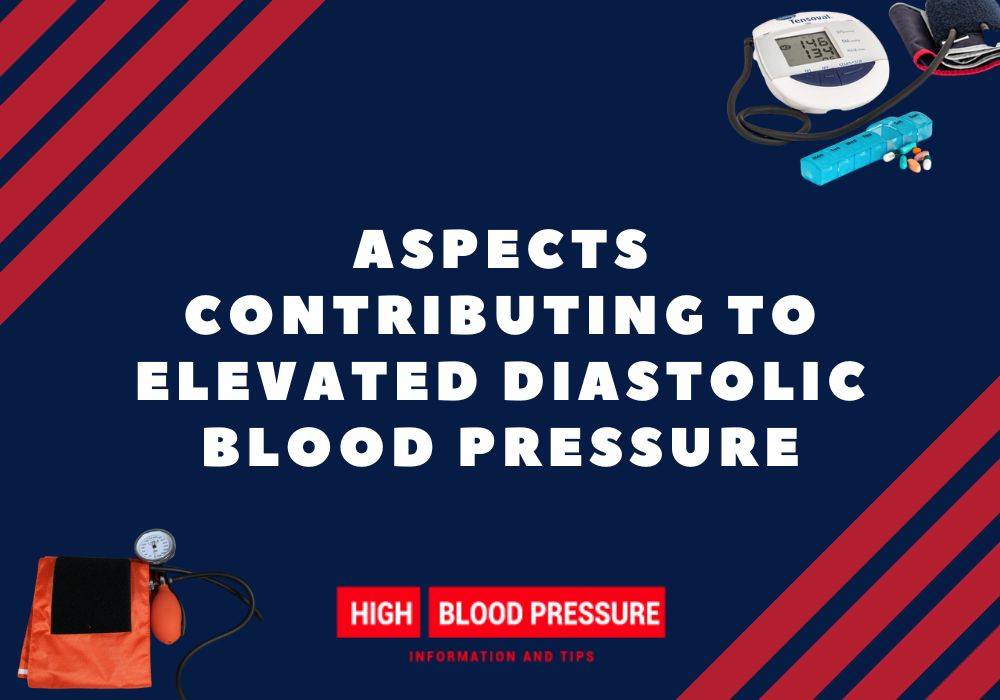
Diastolic blood pressure, described as the pressure throughout heart relaxation, positions a substantial threat to grownups. It represents the quantity of pressure that remains in the arteries while the heart remains in between beats.
Specific medical conditions, like thyroid conditions and diabetes, might be suggested by an irregular diastolic blood pressure.
Higher than regular diastolic blood pressure has been connected to a higher possibility of establishing a deadly condition referred to as stomach aortic aneurysm, which takes place when the artery in your abdominal area damages and bulges, positioning a threat of rupture and subsequent death.
High blood pressure with only raised systolic readings
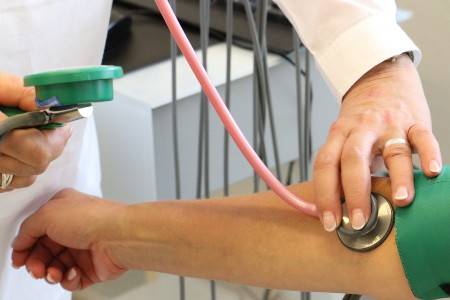 While the systolic number is stressed in blood pressure readings, it is essential to bear in mind that the diastolic number is similarly essential. An increase in diastolic number for people aged 40-89 doubles their possibilities of establishing a heart problem or stroke. High diastolic blood pressure is classified as high blood pressure and needs treatment through medication and way of life modifications (Why You Should Have Your Blood Pressure Checked in Both Arms, n.d.).
When your heart works and presses blood into your arteries and tissues, it leads to systolic blood pressure. This pressure increases with each heartbeat and slowly reduces throughout the resting stage. To identify this, your physician utilizes an arm cuff that is put around your arm. Preferably, the readings need to be around 120 for the systolic pressure and 80 for the diastolic pressure, or additionally 110 for the systolic pressure and 70 for the diastolic pressure (American Heart Association, 2023).
Older grownups might experience isolated systolic high blood pressure when their systolic blood pressure goes beyond 130 mm Hg while their diastolic blood pressure stays listed below 90 mm Hg. Although underlying conditions like kidney illness or sleep apnea might add to this phenomenon, other aspects are most likely to be accountable, stress and tension, for example, can be a substantial factor.
Initial appearance, isolated systolic high blood pressure might not seem a serious matter, however if left unattended, it can quickly turn into extreme cardiovascular and kidney conditions that present a danger to one’s life.
If your systolic pressure goes beyond 180 mm Hg, it is important to get medical attention, as this might suggest a considerable threat to your health. If this is put off, the raised systolic blood pressure levels might have alarming repercussions for both your physical and psychological health.
A lot of the very same aspects that can trigger basic high blood pressure, such as being obese, cigarette smoking, or extreme alcohol intake, can likewise result in isolated systolic blood pressure. To assist in lowering both systolic and diastolic pressure levels, calcium channel blockers, thiazide-like diuretics, or angiotensin II receptor blockers are frequently prescribed to help. Furthermore, treatment for underlying reasons for isolated systolic high blood pressure might include modifications in diet plan, workout, or weight-loss, depending upon your general health and medical background (Khalil & Zeltser, 2023).
Narrowing
 The size of capillary can be minimized by a range of elements. Apoplexy, infections such as syphilis or salmonella, arteritis, abnormality, and swelling of vessel walls, like in Raynaud’s illness, where vessels restrict in reaction to cold temperature levels, are a few of the potential causes.
The accumulation of plaque in the coronary arteries, which provide the heart with oxygen and nutrients, can cause a constricting of these essential capillary, leading to coronary artery disease (CAD). This constricting can trigger a variety of signs, consisting of chest discomfort, shortness of breath, and other pains. Treatment alternatives for CAD consist of angioplasty and stenting, in addition to coronary bypass for more serious situations.
Research study (High Blood Pressure Is Linked to Cognitive Decline, n.d.) has revealed that people with raised diastolic blood pressure are most likely to experience cognitive problems in midlife, with a 7 percent increased threat for every single 10-point increment above 90 mm Hg in diastolic pressure.
Signs of hypothyroidism, which include weight gain, intolerance to cold temperature levels, and tiredness, can cause greater levels of diastolic blood pressure. In addition, it might likewise be a consideration raising systolic pressure.
Making healthy choices and life adjustments can assist enhance general health and lower diastolic blood pressure. This can be accomplished by integrating a well-balanced diet plan, taking part in routine exercise, preventing cigarette smoking, and reducing alcohol intake. Consuming watermelon juice in the early morning might likewise be useful, as it consists of citrulline which converts into nitric oxide and expands capillary, consequently decreasing diastolic pressure. Other fruits that can be advantageous for cardiovascular health consist of kiwi, blackcurrant, and strawberry, which are abundant in vitamin C and antioxidants which help to promote healthy capillary and cardiovascular systems (Lifestyle Changes That Can Lower Your Blood Pressure, n.d.).
Increased opportunities of establishing heart-related diseases
 Blood pressure is a measurement of the pressure put in by your blood on the walls of your arteries. It can alter throughout the day depending upon your actions and environments. If your blood pressure reading is high, it suggests that your arteries are less versatile, which raises the possibility of establishing heart disease. To keep flexibility in your capillary and minimize the threat of heart disease, your diastolic blood pressure needs to be preferably between 120 and 130. When diastolic blood pressure is high, it can trigger damage to the arteries, increasing the opportunities of experiencing a cardiovascular disease or stroke, both of which are severe health concerns.
By making favorable life modifications, such as picking healthy foods, restricting alcohol and tobacco usage, increasing physical activity, and minimizing salt and caffeine consumption, you can successfully decrease your diastolic blood pressure and promote total health and well-being.
Raised diastolic blood pressure might suggest a hidden concern with the walls of your arteries, such as an underactive thyroid (hypothyroidism). Even in the lack of other signs, high diastolic blood pressure can still have long lasting health ramifications and trigger continual damage.
The endocrine system, making up glands that launch hormonal agents straight into the blood stream, can likewise affect diastolic blood pressure. One such gland is the thyroid gland, and extreme production from it can significantly raise diastolic blood pressure. Furthermore, conditions like obstructive sleep apnea, atherosclerosis, and kidney failure can worsen diastolic blood pressure.
While it is essential to think about diastolic blood pressure in examining cardiovascular danger, systolic blood pressure has become a better signal and needs to be focused on in the treatment of high blood pressure. Health care experts are requiring higher concentration on handling systolic blood pressure levels as a basic element of client care (Which Blood Pressure Number Matters Most? The Answer Might Depend on Your Age, n.d.).
Caffeine
 Caffeine is called a stimulant that sets off various physical responses in the body of the individual it impacts. It can raise the heart rate and blood pressure, causing increased stress and anxiety. In addition, caffeine may interrupt the absorption of specific medications or heighten their negative effects, for that reason it is recommended for users to consult their doctor before drinking consuming any caffeine.
Raised diastolic blood pressure can enhance the probability of establishing cardiovascular disease and stroke. This condition might come from a mix of hereditary predisposition, weight problems, advancing age, unhealthy dietary routines, and an inactive way of life. Signs might consist of lightheadedness, headaches, stomach problems, and irregular heart rhythm (arrhythmia), in addition to chest discomfort, feeling numb or tingling in the limbs, blurred vision, or trouble breathing.
Restricting caffeine intake is recommended for people with high blood pressure or those at risk of establishing it, as caffeine might trigger a short-lived boost in blood pressure. Although the exact system behind this impact is still unidentified, it is thought that caffeine might obstruct hormonal agents that keep arteries large or promote the release of excess adrenaline from the adrenal glands (What Caffeine Does to Blood Pressure, n.d.).
However, if one does not presently struggle with high blood pressure or diabetes, taking in moderate quantities of coffee and tea is normally considered safe. Those who routinely take in coffee typically develop a tolerance to caffeine quickly and just come across short-lived elevations in their blood pressure.
It is a promising idea to prevent getting your blood pressure monitored within a couple of hours after drinking coffee, as caffeine’s results on blood pressure can last anywhere from 30 to 60 minutes.
References
American Heart Association. (2023, May 30). Understanding Blood Pressure Readings. American Heart Association. https://www.heart.org/en/health-topics/high-blood-pressure/understanding-blood-pressure-readings
High blood pressure is linked to cognitive decline. (n.d.). National Institute on Aging. https://www.nia.nih.gov/news/high-blood-pressure-linked-cognitive-decline#:~:text=After%20decades%20of%20observational%20research
Khalil, H., & Zeltser, R. (2023, May 8). Antihypertensive Medications. PubMed; StatPearls Publishing. https://www.ncbi.nlm.nih.gov/books/NBK554579/
Lifestyle Changes That Can Lower Your Blood Pressure. (n.d.). WebMD. https://www.webmd.com/hypertension-high-blood-pressure/ss/lifestyle-changes-bp
What caffeine does to blood pressure. (n.d.). Mayo Clinic. https://www.mayoclinic.org/diseases-conditions/high-blood-pressure/expert-answers/blood-pressure/faq-20058543#:~:text=However%2C%20if%20you
Which blood pressure number matters most? The answer might depend on your age. (n.d.). Www.heart.org. https://www.heart.org/en/news/2021/03/01/which-blood-pressure-number-matters-most-the-answer-might-depend-on-your-age
Why you should have your blood pressure checked in both arms. (n.d.). Www.uclahealth.org. https://www.uclahealth.org/news/why-you-should-have-your-blood-pressure-checked-in-both-arms