
Eat to Beat High Blood Pressure: Delicious Heart-Healthy Eating
In a world where dietary choices significantly impact our health, understanding how the foods we consume can affect conditions like high blood pressure is essential. It’s time to add a flavorful approach to nutrition that not only tantalizes the taste buds but also promotes cardiovascular well-being.
Understanding Your Heart’s Best Friend: Nutrition
This article emphasizes the importance of incorporating fresh, nutrient-dense ingredients into your daily meals, showcasing how simple adjustments can make a profound difference in managing hypertension.
By blending culinary creativity with heart-healthy practices, you can transform your eating habits into powerful tools for better health, proving that eating well can be both enjoyable and beneficial for your heart.
What you eat significantly impacts your blood pressure. The right nutrients can help lower stress on your cardiovascular system. Think of food as your daily medicine – delicious and powerful.
Breakfast: Rise and Shine with Heart-Healthy Choices
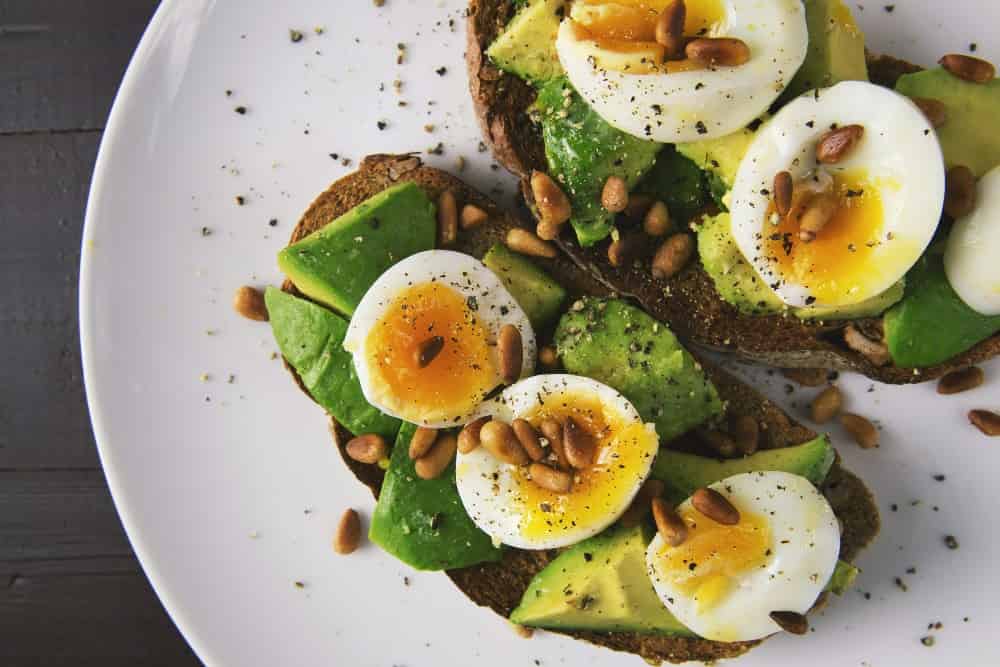
When managing high blood pressure, selecting the right breakfast options is crucial for maintaining overall health and promoting heart wellbeing. Incorporating whole grains into the morning meal can be an excellent choice, as they are rich in fiber and essential nutrients.
Oatmeal, for instance, provides a satisfying and versatile base that can be topped with fresh fruits like berries or bananas, both of which are known to help lower blood pressure thanks to their potassium content (Xi et al., 2023). Additionally, whole grain toast paired with avocado offers healthy fats and is a delicious way to start the day.
Another great option for people with high blood pressure is a smoothie made with leafy greens such as spinach or kale, blended with low-fat yogurt and a variety of fruits. This combination not only delivers a nutrient-dense breakfast but also contributes to hydration and a feeling of fullness, reducing the likelihood of unhealthy snacking later in the day.
Adding seeds like flaxseeds or chia seeds can also boost fiber and omega-3 fatty acids, which are beneficial for cardiovascular health.
For those who prefer a heartier breakfast, a vegetable omelet made with egg whites or a combination of whole eggs and egg whites can be very nutritious. Including vegetables like tomatoes, bell peppers, and onions not only enhances flavor but also adds vitamins and minerals that support blood pressure regulation.
Pairing this with a side of fresh fruit or a small serving of whole-grain toast can create a balanced meal without excessive sodium, making it heart-friendly (Study Provides New Evidence That Eating Whole Grains May Reduce Heart Disease Risk in Older Adults | NHLBI, NIH, n.d.). By making mindful choices and focusing on nutrient-rich foods, individuals with high blood pressure can enjoy a delicious breakfast that supports their health goals.
Lunch: Midday Meals that Maintain Balance
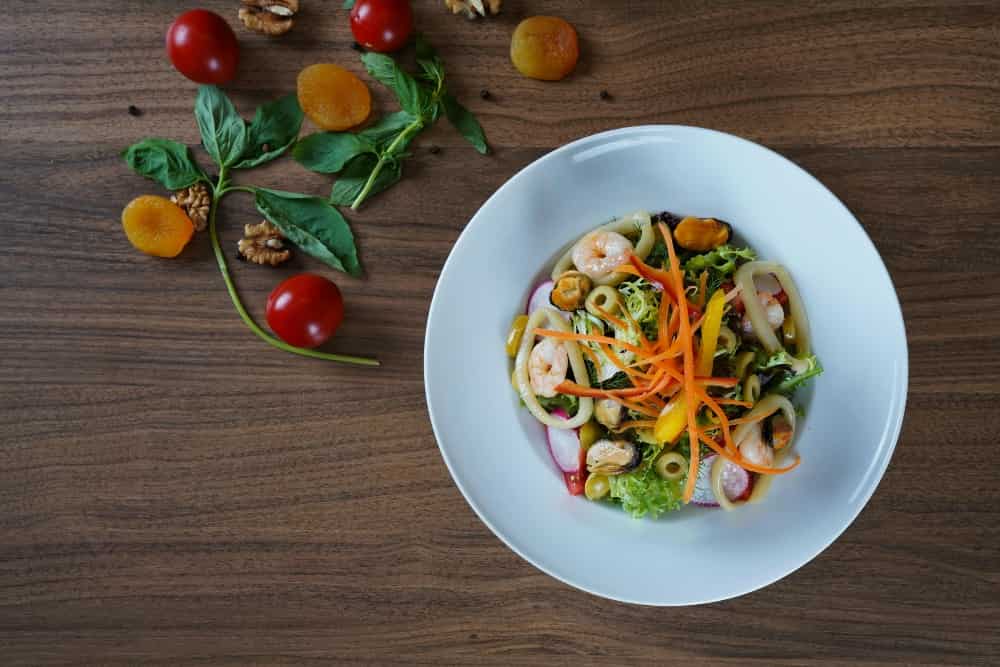
Having or preventing high blood pressure means making thoughtful lunch choices which can significantly impact overall health. A balanced meal that focuses on whole, nutrient-dense foods can help lower blood pressure levels and reduce the risk of heart-related issues.
As an example, a salad rich in leafy greens like spinach and kale, combined with colorful vegetables such as bell peppers, tomatoes, and cucumbers, provides an abundance of vitamins, minerals, and antioxidants. Adding a lean protein source, such as grilled chicken or chickpeas, can enhance satiety and maintain energy levels without added sodium, which is crucial for monitoring your blood pressure.
Incorporating whole grains into lunch is another excellent strategy. Opting for quinoa, brown rice, or whole grain bread can help stabilize blood sugar levels and provide fiber, which promotes heart health. Pairing these grains with healthy fats, such as avocado or a sprinkle of nuts, not only adds flavor but also contributes to a balanced meal.
It’s essential to avoid processed or packaged foods, which often contain hidden sodium and unhealthy fats that can exacerbate high blood pressure. By opting for homemade meals and fresh ingredients, individuals can take control of their lunch choices and support their heart health effectively.
Dinner: Evening Nutrition for Heart Health
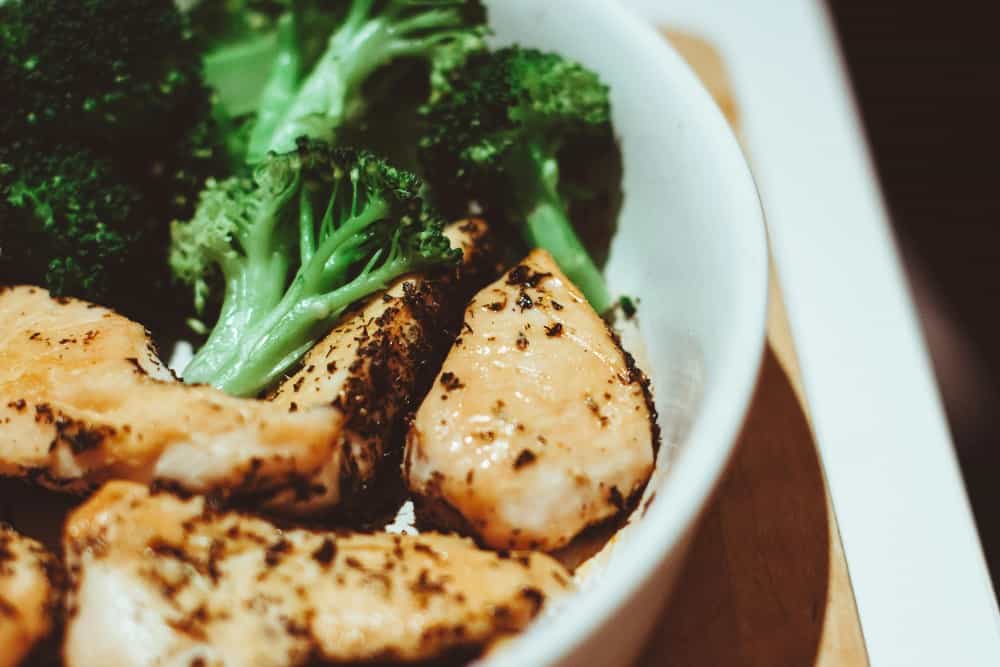
When it comes to managing high blood pressure, dinner options play a crucial role in supporting heart health. A well-balanced meal can incorporate fresh fruits, vegetables, whole grains, and lean proteins, all of which contribute to maintaining healthy blood pressure levels.
For example, a grilled salmon fillet served with a side of quinoa and steamed broccoli not only offers omega-3 fatty acids, which are known to promote cardiovascular health, but also provides fiber and essential nutrients.
Another excellent dinner option is a colorful stir-fry made with an assortment of vegetables like bell peppers, carrots, and spinach, paired with tofu or skinless chicken breast. This dish can be tossed in a light, low-sodium soy sauce or garlic-infused olive oil, giving it flavor without the added salt.
Incorporating legumes, such as lentils or chickpeas, into soups or salads can also be beneficial, as they are rich in potassium and fiber, both of which support healthy blood pressure.
For those looking for a heart-healthy vegetarian option, a hearty salad filled with leafy greens, cherry tomatoes, cucumbers, and a handful of walnuts or almonds can be a refreshing choice. Drizzling it with a homemade vinaigrette made of balsamic vinegar and olive oil not only enhances the flavor but also provides healthy fats.
Finally, opting for whole grain pasta in a light tomato sauce, topped with plenty of fresh vegetables, can satisfy dinner cravings while keeping sodium levels in check (Jennings, 2019). By choosing these nutrient-dense foods, individuals with high blood pressure can enjoy delicious meals that support their overall health and well-being.
Smart Snacking: Between-Meal Heart Protection
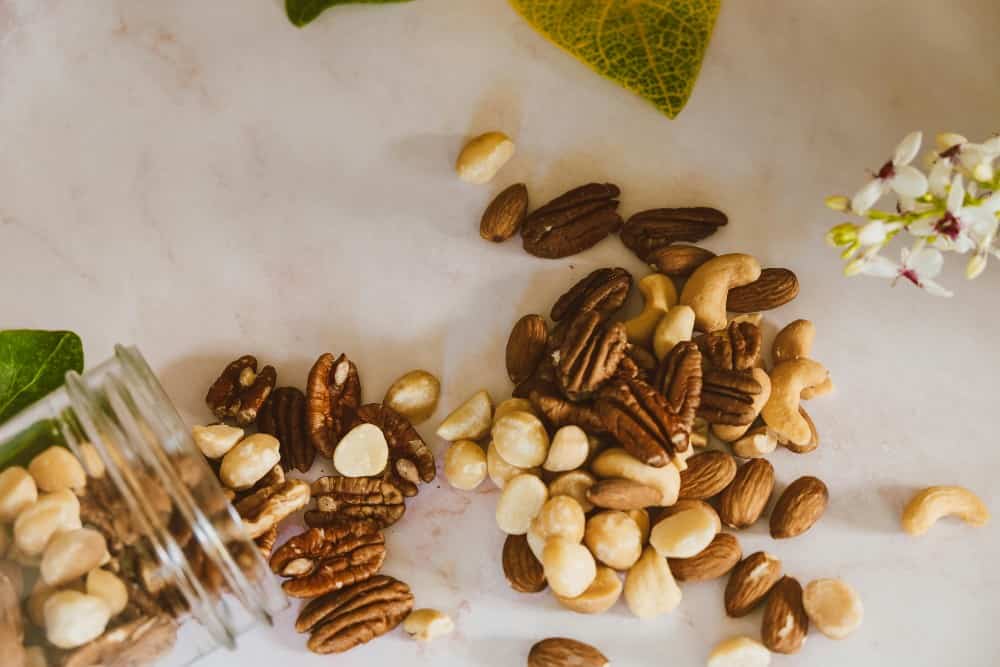
Snacks don’t have to be boring or unhealthy. Almonds, walnuts, and fresh fruits make perfect choices. These foods contain nutrients beneficial for maintaining healthy blood pressure.
- Toast (whole grain)
- Seeds
- Nuts (almonds, pistachios, walnuts)
- Popcorn (air popped)
- Yogurt (Greek)
- Veggies (carrots, celery, cucumber)
- Crackers (whole grain)
- Fruits (apples, oranges, berries, bananas)
- Citrus (grapefruit, lemons)
- Leafy Greens
- Cheese (low-fat and low-sodium)
Nourish your body with healthy snacks such as apple slices accompanied by almond butter or carrot sticks with hummus (Mikstas, 2022). These options offer vital protein, fiber, and minerals to promote lasting energy and overall wellness. There are many options to help keep you satisfied and at the same time support your heart.
The Bottom Line: Your Diet, Your Heart’s Ally
Managing high blood pressure isn’t complicated. Choose whole foods, limit sodium, and focus on nutrition. Your diet can be both delicious and heart-protective.
Remember, small changes create big results. Start experimenting with different meals, then slowly change what your diet looks like. Your heart is worth the effort.
References
Jennings, K.-A. (2019). 9 Legitimate Health Benefits of Eating Whole Grains. Healthline. https://www.healthline.com/nutrition/9-benefits-of-whole-grains
Mikstas, C. (2022, September 1). Health Benefits of Almond Butter. WebMD. https://www.webmd.com/diet/health-benefits-almond-butter
Study provides new evidence that eating whole grains may reduce heart disease risk in older adults | NHLBI, NIH. (n.d.). Www.nhlbi.nih.gov. https://www.nhlbi.nih.gov/news/2021/study-provides-new-evidence-eating-whole-grains-may-reduce-heart-disease-risk-older
Xi, H., Zhou, W., Niu, Y., Zhu, R., Wang, S., Guo, Y., Liu, W., Xiong, X., & Guo, L. (2023). Effect of Oat Consumption on Blood Pressure: A Systematic Review and Meta-Analysis of Randomized Controlled Trials. Journal of the Academy of Nutrition and Dietetics, 123(5), 809–823. https://doi.org/10.1016/j.jand.2022.11.010