The majority of people with high blood pressure are on at least two medications to manage it. But, when you’re just diagnosed with it-and your cholesterol is not very high yet-start a healthy diet and start an exercise program to lower your high blood pressure medication or remove them altogether if they don’t make sense for you.
When you first start taking prescription medications to manage your high blood pressure, don’t give up. Most people have to deal with their medications for several years before seeing any real results. That’s why it’s important to stick with your doctor’s orders. You’re doing yourself a big favor in the long run by keeping your blood pressure under control through diet, exercise, and medication.
Diet and exercise. To lower your pressure, start a diet that is full of vegetables and fruits, low in saturated fat, salt, and sugar. It’s best to start eating fresh produce and whole grains. Include lots of fresh fruits, vegetables, and whole grain foods in your diet. You should try to cut back on salt, and to stay away from refined grains like white bread. If you’re diabetic, start eating foods like potatoes, brown rice and corn. Stick to a healthy diet until your doctor says you can eat what you want, eat what your doctor says you can eat.
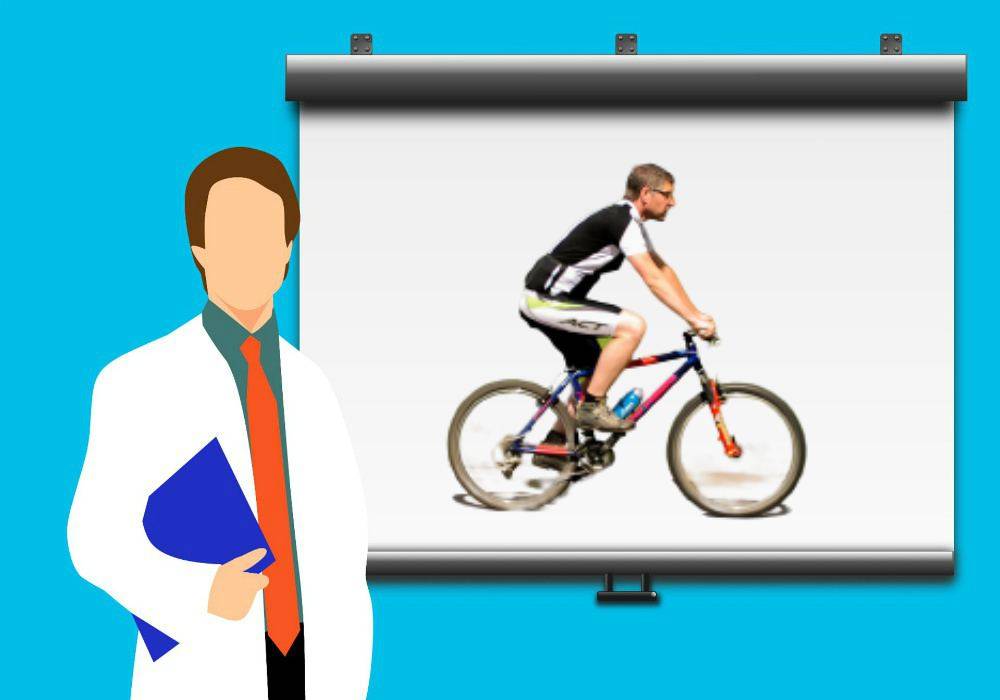
Exercise. If your doctor has approved you to start an exercise program, start with 30 minutes a day on at least 3 days a week. As you continue to progress with your program, you can increase the amount of time and the intensity. This is a great way to lose weight, to improve your mental health, and to get in better shape. And, while you’re working out, you’ll notice that your high blood pressure symptoms will diminish as well.

If you haven’t had your blood tested in several years, speak to your primary care physician about getting a special test done to see if your BP is high again. High BP is a warning sign that the artery walls are weak and more susceptible to clogging. If your symptoms persist after you’ve had a thorough examination, talk to your doctor about getting an angiogram.
Lifestyle changes aren’t enough. If you have high BP, you also need to start an exercise plan that works well with your medication.