
Millions worldwide suffer from high blood pressure. Holistic health practices, particularly meditation, offer a promising approach to managing this condition. Used for centuries across diverse cultures for promoting inner peace and emotional well-being, meditation’s efficacy is now supported by scientific evidence, especially regarding cardiovascular health.
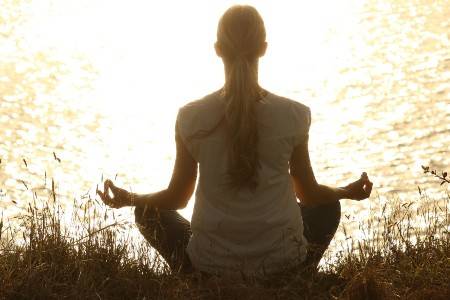 Studies, such as one published in the Hypertension journal of the American Heart Association, demonstrate a significant reduction in systolic blood pressure among individuals who regularly practice meditation. Even a modest daily meditation practice yielded noticeable improvements over several months (Lee et al., 2020).
Meditation’s impact on blood pressure stems from its ability to regulate the body’s stress response. Since chronic stress is a major contributor to hypertension, meditation’s stress-reducing effects—manifesting as lower cortisol levels, heart rate, and ultimately, blood pressure—provide a potential pathway to improved cardiovascular health.
Transcendental Meditation for High Blood Pressure
 In the pursuit of maintaining optimal health, a growing number of individuals are turning to Transcendental Meditation (TM) as a natural, non-invasive approach to lowering blood pressure. TM is a simple, effortless technique that allows the mind to easily settle in a peaceful state of restful alertness, promoting deep relaxation and stress reduction.
Studies have consistently shown that regular practice of TM significantly reduces systolic and diastolic blood pressure. This reduction can help prevent the onset of hypertension and lower the risk of heart disease. TM’s unique ability to quiet the mind and allow the body to experience deep rest offers a powerful tool for those seeking a natural means to manage their blood pressure (Meditation Can Lower Blood Pressure, Study Shows, 2025).
Whether you’re looking to complement your current treatment plan or seeking a holistic approach to health, Transcendental Meditation could be the missing piece in your journey towards a healthier heart. Consult with a certified TM teacher to learn more and experience the transformative benefits of this ancient practice for yourself.
Progressive Muscle Relaxation for Lower Blood Pressure
High blood pressure is frequently associated with stress. A simple, yet effective solution to manage these concerns might be closer than you think – Progressive Muscle Relaxation (PMR).
PMR is a technique that involves systematically tensing and then releasing muscle groups to achieve a state of deep relaxation. Stress less, live better. Regular exercise can significantly improve your health, lowering blood pressure and boosting your overall well-being (Farhan et al., 2023).
Here’s a simple PMR routine:
- Find a quiet, comfortable place.
- Close your eyes and take deep, slow breaths.
- Tense and hold each muscle group for a few seconds, then release.
- Move through your body, focusing on major muscle groups like your arms, legs, and abdomen.
- End with your face and neck muscles.
- Let relaxation wash over you as you continue to breathe deeply.
While PMR isn’t a replacement for medical treatment, it can be a powerful tool in managing stress and blood pressure. Incorporate this practice into your daily routine for a healthier, calmer you.
Benefits of Yoga for High Blood Pressure
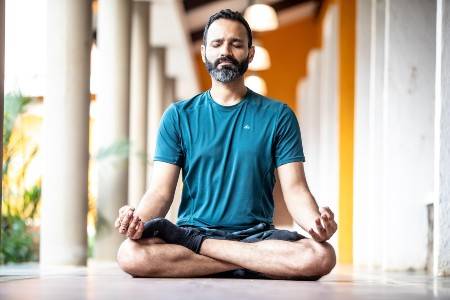 For individuals managing high blood pressure, yoga offers a powerful and holistic solution. Combining physical poses, breathing techniques, and meditation, yoga provides a comprehensive approach to lowering hypertension.
Regular practice of yoga poses such as the Viparita Karani (Legs-Up-The-Wall Pose) and Setu Bandha Sarvangasana (Bridge Pose) can help lower blood pressure by reducing stress and promoting relaxation. The deep, rhythmic breathing associated with yoga, or Pranayama, aids in dilating blood vessels, thereby lowering blood pressure (Rapaport, 2019).
Yoga’s emphasis on mindfulness and stress reduction plays a crucial role in managing high blood pressure. Chronic stress is a significant contributor to hypertension, and yoga’s calming effects help counteract this factor.
Incorporating yoga into your daily routine may not only help lower your blood pressure but also improve overall cardiovascular health and mental well-being. Before beginning any new workout routine, especially if you have pre-existing health concerns, it’s crucial to seek guidance from a doctor or other qualified healthcare provider.
Meditation has shown to be an effective tool in helping to reduce blood pressure in individuals. By incorporating regular meditation practices into daily routines, individuals can experience a calming effect on both the mind and body. This, in turn, helps to reduce stress and anxiety levels, which are common factors in elevated blood pressure.
Through focused breathing and mindfulness techniques during meditation, individuals can activate the body’s relaxation response, leading to lower heart rate and increased blood flow. Over time, consistent meditation practice can lead to long-term benefits in managing blood pressure levels, promoting overall cardiovascular health and well-being.
It is important to note that meditation should be used as a complement to, not a replacement for, medical treatments prescribed by healthcare professionals for high blood pressure management. It’s crucial to seek professional medical advice before embarking on any new health plan.
Conclusion
Meditation shows great potential as a method for lowering blood pressure. By promoting relaxation, reducing stress, and influencing the body’s stress response, meditation techniques can contribute to better cardiovascular health. As we continue to explore the vast potential of meditation, it’s exciting to consider the numerous ways it could enhance our lives. Embrace the power of meditation, and take a step towards a healthier, more balanced life today.
References
Farhan, Joseley Sunderraj Pandian, Shaikh, A. I., Ahsan, M., Shibili Nuhmani, Iqbal, A., & Alghadir, A. H. (2023). Effect of slow breathing exercise and progressive muscle relaxation technique in the individual with essential hypertension: A randomized controlled trial. Medicine, 102(47), e35792–e35792. https://doi.org/10.1097/md.0000000000035792
Kent State University Research Finds Meditation Effective in Reducing Blood Pressure | Kent State University. (2019). Kent.edu. https://www.kent.edu/kent/news/kent-state-university-research-finds-meditation-effective-reducing-blood-pressure
Lee, E. K. P., Yeung, N. C. Y., Xu, Z., Zhang, D., Yu, C.-P., & Wong, S. Y. S. (2020). Effect and Acceptability of Mindfulness-Based Stress Reduction Program on Patients With Elevated Blood Pressure or Hypertension. Hypertension, 76(6), 1992–2001. https://doi.org/10.1161/hypertensionaha.120.16160
Meditation Can Lower Blood Pressure, Study Shows. (2025). ScienceDaily. https://www.sciencedaily.com/releases/2008/03/080314130430.htm
Rapaport, L. (2019, February 28). Yoga linked to lowered blood pressure with regular practice. Reuters. https://www.reuters.com/article/business/healthcare-pharmaceuticals/yoga-linked-to-lowered-blood-pressure-with-regular-practice-idUSKCN1QH2MJ/