High blood pressure, or hypertension, silently affects millions. Over 122 million American adults (20 and older) are affected, and a shocking one in four don’t even know it. Don’t be one of them! Understanding and managing your blood pressure is vital for a long and healthy life, no matter your age.
Many people ignore their blood pressure until middle age or later, mistakenly associating it with aging. But the truth is, monitoring your blood pressure should start much earlier, especially if you have a family history of hypertension. Finding things early lets you take action and greatly lower your risk.
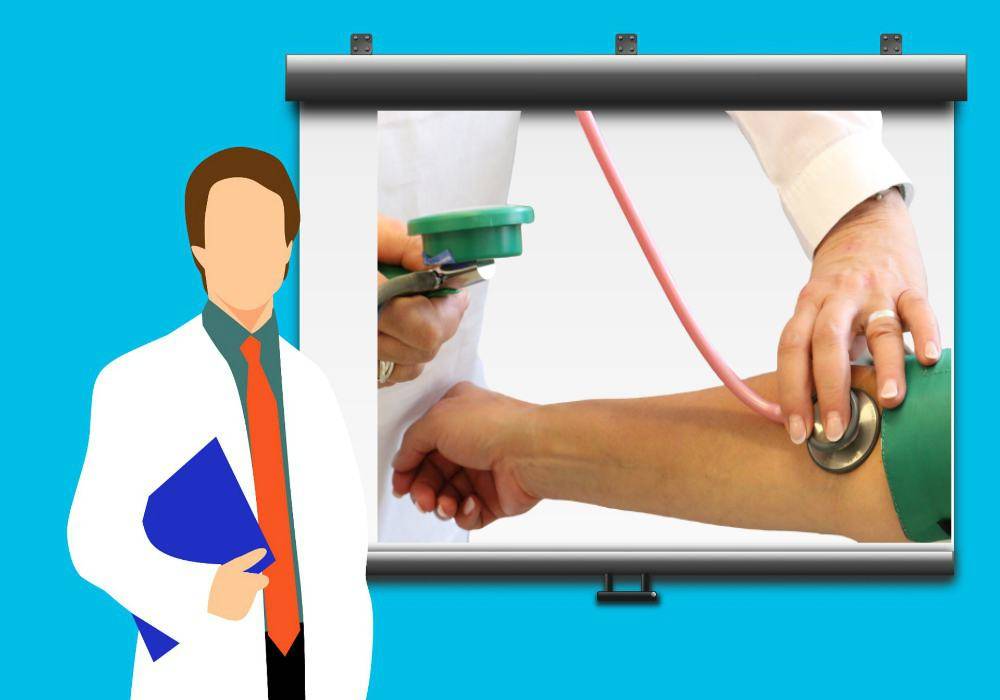
Waiting for a diagnosis before taking action is risky. High blood pressure, if left untreated, can lead to serious complications like stroke, heart disease, and kidney disease. Taking control early offers immense long-term benefits.
So, how can you proactively manage your blood pressure?
1. Get Moving: Regular physical activity is key. Exercise helps maintain a healthy weight and strengthens your cardiovascular system. Make an effort to achieve at least 30 minutes of reasonable physical activity daily. Think brisk walks, bike rides, or even a swim – anything that gets your heart pumping. Even small steps count – start slowly and gradually increase your activity level.
2. Fuel Your Body Right: A balanced diet is crucial. Let’s prioritize fruits, veggies, whole grains, and lean protein in our diet! Limit salty and fatty foods, as excess sodium raises blood pressure. Experiment with healthy recipes – healthy eating can be delicious and enjoyable!
3. Manage Stress: Stress triggers blood pressure spikes. Find healthy ways to de-stress, whether it’s gardening, painting, mindfulness, or anything that helps you relax. Incorporate these activities into your daily routine for significant mental and physical benefits.
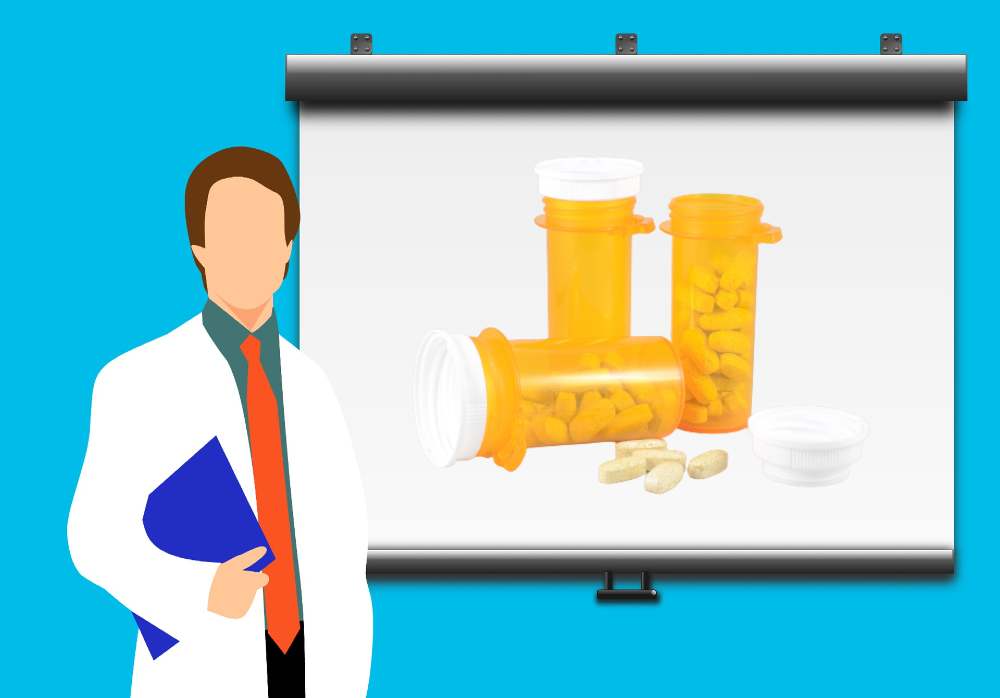
4. Talk to Your Doctor About Medications: If you’re on medication, discuss potential blood pressure impacts with your doctor. Some medications, including antidepressants, cold remedies, birth control pills, steroids, and nasal decongestants, can elevate blood pressure. Open communication is crucial.
5. Know Your Family History: A family history of hypertension significantly increases your risk. Being aware of this allows you to take proactive steps, like regular checkups and screenings, to monitor your blood pressure.
6. Sometimes, lifestyle changes aren’t enough to control high blood pressure. Your doctor might recommend medication to help you manage it effectively. Always discuss medication options and any other treatments with your healthcare provider to ensure a personalized approach.
It’s Never Too Late: Taking charge of your health is a proactive choice. Don’t wait for complications to arise. Remember, there is always help in your path towards blood pressure management. With the support of healthcare professionals and a commitment to healthy lifestyle changes, you can create a healthier, happier future.