
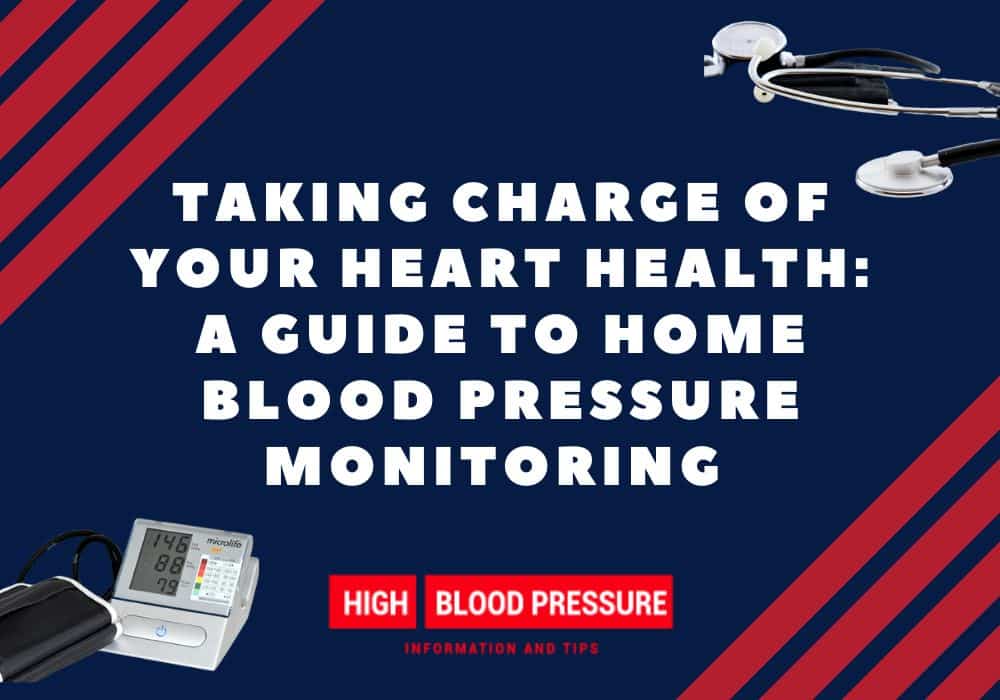
Regularly checking your blood pressure at home is a powerful tool for managing your cardiovascular health. While doctor visits are crucial, home monitoring empowers you to make informed decisions and track your progress. It’s frustrating to make lifestyle changes (better diet, exercise, stress reduction) and see no improvement in your blood pressure; sometimes, medication is necessary.
Why Monitor at Home?
Keeping a record of your readings offers valuable insights. You can see which lifestyle adjustments are working and identify patterns. This helps you maintain healthy blood pressure and understand your overall heart health better.
Choosing the Right Equipment
You have choices when selecting a blood pressure monitor:
- Aneroid Monitors: These use a dial and stethoscope. They require skill and practice for accurate readings.
- Digital Monitors: Easier to use for home monitoring. Automatic or manual, they display readings clearly.
While wrist and finger monitors exist, upper-arm cuff monitors are generally more accurate, reliable, and less expensive in the long run. Avoid these less reliable options.
Getting the Right Cuff Size
The cuff size is crucial for accurate readings. If unsure, consult your doctor. An incorrect size leads to inaccurate measurements and potentially poor management of your condition.
Using Your Monitor Correctly
Before starting, learn how to use your monitor correctly. Your doctor can demonstrate the proper technique to ensure accurate readings.
Preparing for Accurate Readings
For best results:
- Avoid caffeine, alcohol, and tobacco for at least 30 minutes before measuring.
- Empty your bladder.
- Relax for 3-5 minutes before taking a reading.
- Sit with your back straight, legs and arms uncrossed.
- Place the cuff at heart level on a stable surface, snug but with room for one finger underneath, one inch above your elbow crease.
Understanding Your Numbers
Knowing what your readings mean is important:
- Normal: 120/80 mmHg or lower.
- High Blood Pressure (Hypertension): 160/100 mmHg or higher.
- Prehypertension: Between these two ranges.
When to See Your Doctor
Consistently high readings? Consult your doctor. They can help you develop a plan to lower your blood pressure, which may involve lifestyle changes or medication. Addressing health issues early on is crucial to avoid major problems later.
In short: Home blood pressure monitoring is a valuable tool for improving your heart health. By choosing the right equipment, using it correctly, and understanding your readings, you can play an active role in maintaining your cardiovascular well-being.