Did you know that blood pressure naturally tends to increase as we age? By proactively managing your blood pressure early on, you can enhance your chances of living a longer, healthier life. This article offers insights on how to monitor your blood pressure effectively and outlines the associated benefits.
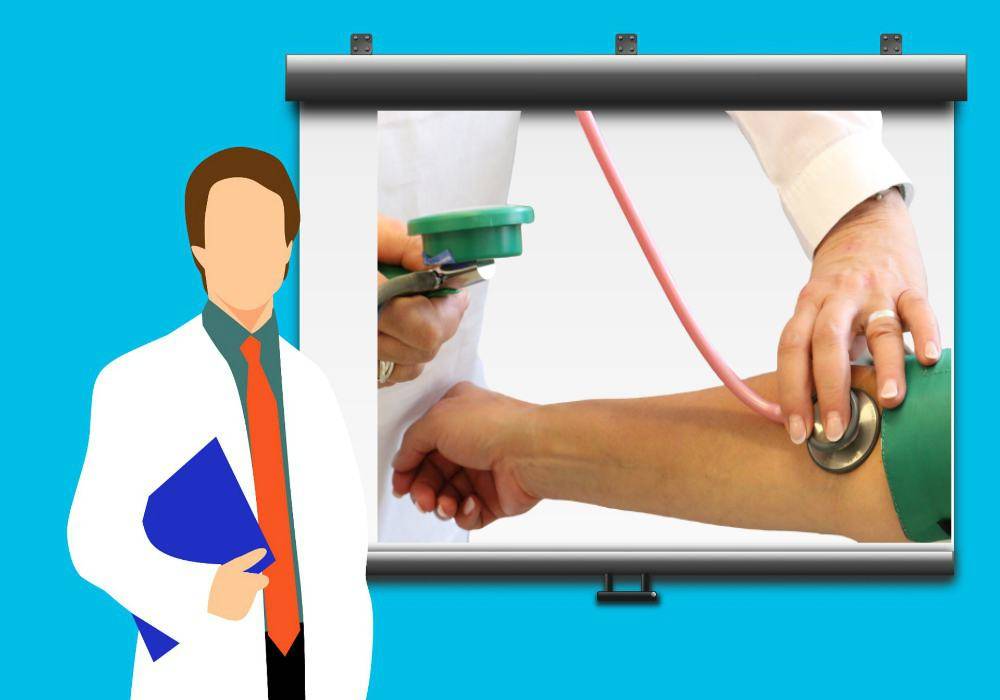
If regular doctor visits aren’t feasible for you, investing in a blood pressure monitor can be incredibly beneficial, especially if you have a family history of hypertension. Keeping track of your blood pressure with a personal device is a practical way to stay informed about your health.
Recognizing that blood pressure rises with age, it’s wise to start monitoring it as soon as possible. Many young adults often overlook this aspect of wellness, but if you have a family history of high blood pressure, it’s important to take proactive steps now.
Understanding Blood Pressure Triggers
The first step in monitoring your blood pressure is understanding what factors contribute to its increase. Here are a few key influences:
Smoking and Alcohol Consumption
Tobacco and alcohol can significantly elevate your blood pressure. To mitigate this risk, consider quitting or at the very least, reduce your usage. If you’ve previously tried to quit and struggled, there are numerous resources available to support you in your journey.
Excess Weight
Excess weight contributes to increased blood pressure levels, impacting overall health and wellness significantly. Losing just ten pounds can make a noticeable difference.
Physical Inactivity
Regular exercise is vital for maintaining healthy blood pressure. Aim for at least 30 minutes of physical activity each day, whether in one session or broken down into smaller increments. Consistency is key, and even short bursts of activity can be beneficial.
Stress
Chronic stress can be a major contributor to elevated blood pressure. Consider incorporating relaxation techniques like meditation or mindfulness practices into your daily routine to help manage stress effectively.
Diet
An unhealthy diet can negatively impact your blood pressure. Focus on reducing salt intake and incorporating more fresh fruits and vegetables into your meals. Pay attention to nutrition labels and aim for meals lower in saturated fats.
Sleep Disorders
Sleep issues can lead to spikes in blood pressure due to interrupted breathing during the night. If you believe you have a sleep disorder, seek medical advice for potential treatments that can enhance your sleep quality effectively.
Over-the-Counter Medications and Supplements
Certain over-the-counter medications, including antidepressants, cold medicines, and oral contraceptives, can elevate blood pressure. If you have concerns about any medications you are taking, don’t hesitate to discuss them with your healthcare provider.
By being mindful of these factors, you can reduce your risk of high blood pressure and its associated complications, including stroke and heart or kidney disease. It’s always possible to make health a priority at any stage of life. Start monitoring your blood pressure today and empower yourself to lead a healthier life!