Understanding Blood Pressure Basics
High blood pressure silently damages your body without warning. It’s a serious health concern that affects millions of people worldwide. Your diet plays a crucial role in managing and lowering blood pressure naturally. Minor dietary adjustments can significantly improve your cardiovascular health.
The DASH Diet: Your Heart’s Best Friend
The Dietary Approaches to Stop Hypertension (DASH) diet stands out as a powerful tool for blood pressure management. This heart-healthy diet plan centers around unprocessed foods. Which puts an emphasis on eating more vegetables, grains, fruits, and lean meats. Researchers have proven that following the DASH diet can significantly lower blood pressure within weeks.
Key Foods That Fight High Blood Pressure
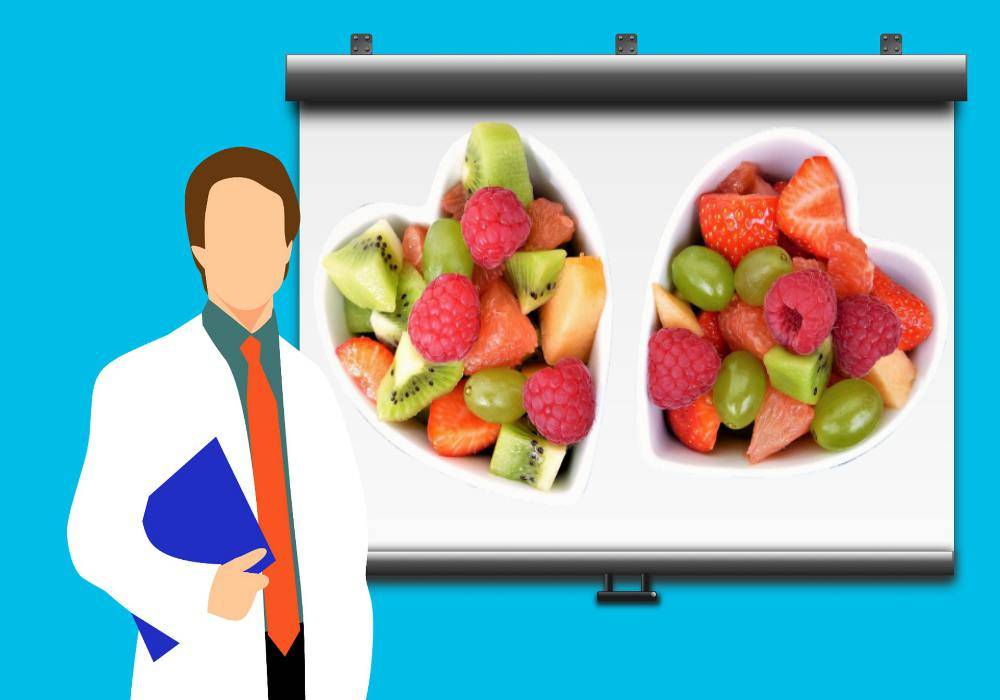
Some foods are natural blood pressure warriors. Leafy green vegetables like spinach and kale pack a powerful punch. They’re rich in potassium, which helps your body remove excess sodium. Berries are another heart-healthy superstar. Their antioxidants promote relaxation in blood vessels, leading to better circulation.
Sodium: The Silent Pressure Raiser
High sodium intake is common, exceeding most individuals’ daily requirements. Processed foods, restaurant fare, and packaged snacks are significant contributors to this excessive sodium consumption. Reading food labels becomes crucial for anyone wanting to reduce blood pressure. For better health, keep your daily sodium intake below 2,300 mg.
Powerful Nutrients for Blood Pressure Control
Certain nutrients work magic in controlling blood pressure. Magnesium-rich foods like almonds and black beans support healthy blood vessel function. Enjoy the heart-healthy benefits of salmon and other fish. These delicious sources are packed with omega-3 fatty acids, known for their anti-inflammatory power and crucial role in maintaining a healthy cardiovascular system.
Lifestyle Changes That Complement Your Diet
Diet alone isn’t enough to manage blood pressure. Some type of workout routine or activity should be priority. Including 15, 30, or 45 minutes daily can make some positive changes in your health. Stress management techniques like meditation can also help keep blood pressure in check.
Practical Tips for Heart-Healthy Eating
Begin improving your diet gradually with sustainable swaps. Substitute processed snacks for fresh produce. Choose herbs and spices instead of salt for flavoring. Drink water instead of sugary beverages. These simple swaps can make a big difference in your blood pressure readings.
Conclusion: Your Heart, Your Choice
Managing blood pressure is a journey of small, consistent choices. Your overall heart health is significantly influenced by diet. By making informed food selections, you can support your body’s natural ability to regulate blood pressure.