Many people have high blood pressure, which is a serious health issue. This post explains its causes and how to manage it effectively. While risk increases with age, healthy habits can significantly reduce your chances of developing hypertension.
Key Factors Contributing to High Blood Pressure
Several factors contribute to high blood pressure. Weight is a major one; being overweight or obese significantly increases your risk. However, even modest weight loss (as little as 10 pounds) can make a noticeable difference.
Diet and Blood Pressure
Your diet plays a crucial role. High sodium intake is strongly linked to high blood pressure, so reducing salt and using alternative seasonings is recommended. A diet rich in fruits and vegetables benefits both blood pressure and overall health, also aiding in weight management.
Lifestyle Choices: Smoking and Alcohol
Smoking and excessive alcohol consumption significantly raise blood pressure. Quitting smoking and moderating alcohol intake are vital steps towards better health and lower blood pressure.
Demographic Factors and Health Disparities
Certain demographics, such as African Americans, face a higher risk of hypertension, often earlier and more severely. They also have a greater risk of associated complications like kidney disease and stroke. However, effective management is possible for everyone, regardless of background.
The Importance of Physical Activity
Regular exercise is crucial for blood pressure control. A sedentary lifestyle increases your risk, while just 30 minutes of daily exercise (or even shorter, broken-up sessions) can significantly reduce it.
Managing Stress
Chronic stress elevates blood pressure. Implementing stress management techniques, such as yoga, meditation, or enjoyable hobbies, is beneficial.
Medication and Monitoring
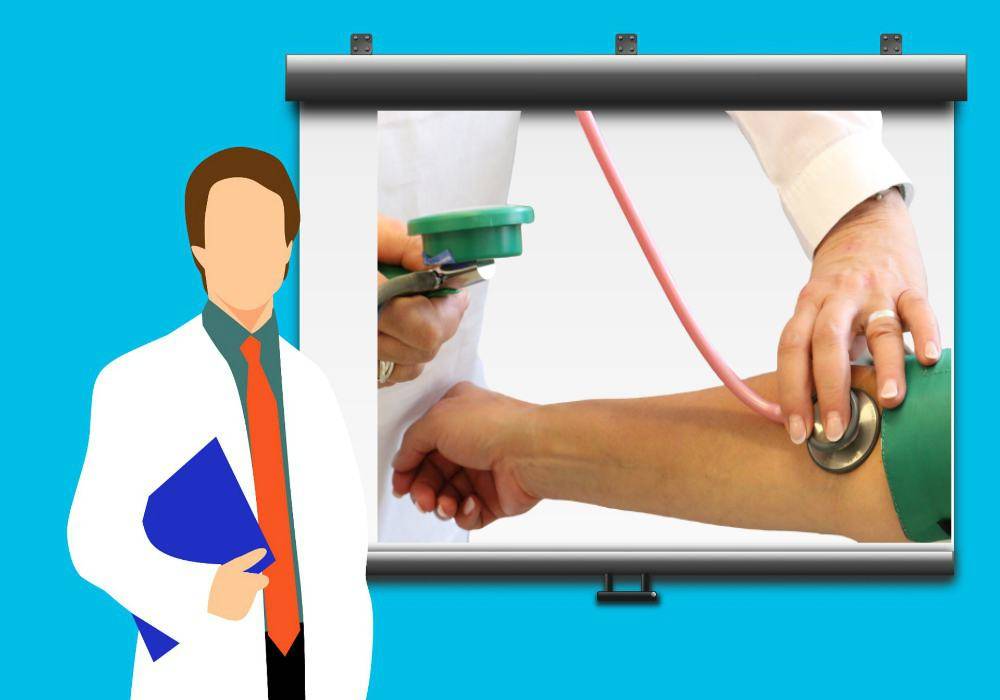
Some medications can raise blood pressure. Always discuss potential side effects with your doctor, especially when starting new medications, and monitor your blood pressure regularly.
Taking Charge of Your Health
Managing high blood pressure is an ongoing process requiring awareness and proactive steps. Weight management, dietary changes, lifestyle modifications, regular exercise, stress reduction, and medication review are all important. These changes lower your risk of serious health complications like stroke, heart disease, and kidney disease. That is why it’s really important to talk openly with your doctor. Prioritizing your health today secures a healthier tomorrow.